Affordable Chiffon Hijabs: Style Meets Budget
Intro
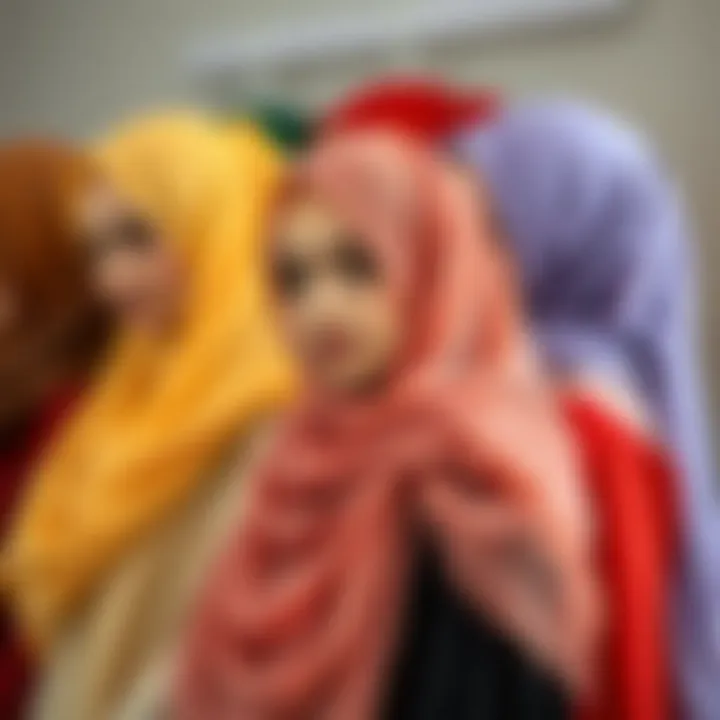
When it comes to expressing personal style while wearing a hijab, chiffon has become a fabric of choice for many fashion enthusiasts. Its lightweight texture and elegant draping give it a unique allure. However, the key question for many is, how to choose affordable chiffon hijabs without compromising on quality? In this guide, we will walk through the nuances of chiffon hijabs, their origins, characteristics, care tips, and how to find them at wallet-friendly prices. This is a well-timed exploration as the interest in modest fashion continues to grow globally.
Chiffon hijabs are not just pieces of fabric; they represent a blend of cultural heritage and contemporary fashion. By understanding the trends and the essentials associated with these hijabs, anyone can elevate their wardrobe. Let’s embark on this journey to find stylish, affordable chiffon hijabs while embracing individual identity at the same time.
Fashion Trends
Current Styles and Influences
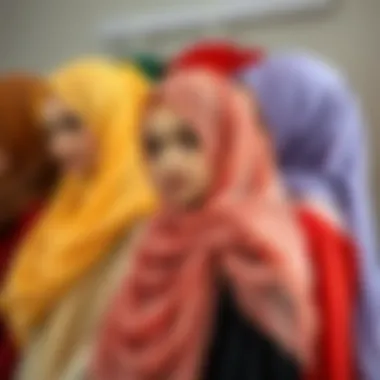
This year, the world of fashion has seen a significant shift toward embracing not just modesty, but also vibrancy in hijab styles. Chiffon hijabs are particularly favored due to their versatility. One can see influencers showcasing the popularity of earthy tones blended with bold patterns. Soft pastels and floral designs are making waves, creating a perfect mix for both casual and formal attire. People are not afraid to get creative, pairing chiffon hijabs with tailored blazers for a polished look or even with casual tees for a day out.
Many high street retailers have noted this trend and are beginning to stock a wider range of colors and styles that cater to this growing demand for chic yet affordable options.
Forecasting Future Trends
Looking ahead, the trend seems to be leaning towards more sustainable practices. As individuals become more conscious of their environmental footprint, many brands are integrating eco-friendly materials into their chiffon collections. Innovations in dyeing processes mean that there are more sustainable hues available for consumers to choose from.
The idea of mixing patterns with different materials is also on the rise; for instance, layering chiffon hijabs over silk or satin can create depth and texture in outfits like never before.
Wardrobe Essentials
Building a Versatile Closet
For anyone looking to elevate their wardrobe without breaking the bank, identifying key pieces that can be mixed and matched is crucial. When it comes to chiffon hijabs, selecting a neutral base—think blacks, whites, or tans—allows for more versatility. These base pieces can transition from day to night with ease when styled appropriately. Adding in two or three statement pieces, like a vibrant patterned hijab, can transform a simple outfit into something unique.
A well-rounded collection could include:
- A classic black chiffon hijab: An essential that pairs with anything.
- A patterned piece: To add flair on special occasions.
- Seasonal colors: Such as soft pastels for spring and deeper shades for autumn.
Creating a balance between essential colors and fun patterns leads to an adaptable wardrobe that encourages style exploration.
Key Pieces for Every Season
Throughout the seasons, your choices in chiffon hijabs might change. In warmer months, lightweight, breathable styles are preferable, while in colder weather, you might opt for heavier options that provide warmth without sacrificing style.
Covering all bases, the following tips could prove useful:
- Spring/Summer: Opt for lighter fabrics and softer colors.
- Fall/Winter: Look for thicker chiffon that may also have warming properties, and deeper color palettes.
Prelude to Chiffon Hijabs
In recent years, chiffon hijabs have taken the fashion world by storm. Their light, flowy material and elegant appearance make them a popular choice for many women, especially in Muslim communities. With the ever-growing interest in affordable yet stylish clothing, understanding chiffon hijabs is crucial. They are not just pieces of fabric; they represent personal identity and fashion sense. The aim of this section is to unravel the fabric’s allure, its cultural significance, and its rise in contemporary fashion.
Defining Chiffon
Chiffon, usually made of silk or synthetic fibers, is known for its sheer texture and versatility. This lightweight fabric can be layered or worn alone, offering endless styling possibilities. It tends to hold colors beautifully, allowing for vibrant designs and patterns. Its airy feel caresses the skin and provides comfort, making it a favorite among hijab enthusiasts. The flowing nature of chiffon drapes gracefully, adding an element of finesse to any outfit. It’s like that whisper of a breeze on a hot day; it keeps you cool and stylish without much effort.
Cultural Significance of Hijabs
Wearing a hijab is about more than just modesty; it's woven into the fabric of cultural identity. For many women, it echoes their connection to their faith, heritage, and personal empowerment. A hijab can speak volumes about tradition and values, bridging generations and communities. The choice of which hijab to wear—whether a dazzling chiffon or a more everyday fabric—can reflect one's personality and mood. As the world becomes increasingly interconnected, the hijab serves as a beautiful reminder of diversity and inclusion. Not to mention, the sheer variety of styles in which women opt to wear their hijabs allows for a personal statement at the intersection of culture and fashion.
The Rise of Chiffon in Modern Fashion
Chiffon hijabs have recently gained traction, becoming staples in both everyday fashion and special occasions. The runways of major fashion weeks have embraced chiffon, showcasing how this fabric can be adapted for various ensembles—from casual to formal wear. What's more, social media platforms have amplified the visibility of hijab styles, allowing trends to sprout overnight. Influencers and bloggers highlight the many ways chiffon can be styled, contributing to its popularity. As a practical option, chiffon hijabs are often seen in vibrant colors, letting women express their creativity while adhering to cultural standards. In a world where fashion trends evolve rapidly, chiffon has made its mark due to its unique ability to blend elegance with comfort, ensuring it stays relevant in modern wardrobes.
"Fashion is about expressing who you are—chiffon hijabs allow that while respecting cultural identity."
Characteristics of Chiffon Fabric
Understanding the characteristics of chiffon fabric is crucial in exploring chiffon hijabs. The properties of this material influence not only the aesthetic appeal of the hijabs but also their functionality in everyday wear. When seeking affordable options, one must appreciate how these qualities intersect with price, ensuring the best value without compromising on style or comfort.
Texture and Feel
When you first lay eyes on chiffon, the delicacy is hard to miss. The fabric has a gentle, soft touch that glides over the skin like a whisper. Chiffon is typically spun from silk, nylon, or polyester, each offering a unique texture. Silk chiffon, for instance, is luxuriously smooth, giving a premium feel while still being lightweight. On the other hand, polyester chiffon can be slightly crisper, making it a more durable option often favored for everyday use.
A notable characteristic of chiffon is its slightly sheer quality. This transparency adds an elegant, layered look, allowing the wearer to express their personal style. Options abound; a patterned hijab can juxtapose beautifully with solid colors in an outfit, creating an eye-catching combination. To enhance comfort, many hijabs come finished with soft edges, preventing irritation during wear.
Durability and Maintenance
Chiffon is revered not just for its beauty but also for its remarkable durability. Contrary to its delicate appearance, chiffon can withstand regular wear if cared for properly. Polyester chiffon, in particular, is resistant to wrinkles and tearing, making it an excellent choice for those on the go.
Caring for chiffon hijabs is relatively simple. Most can withstand gentle washing in cold water, which helps maintain their texture. However, hand-washing is ideal to prevent fraying. It's advisable to avoid bleach or heavy detergents that might degrade the fabric. After washing, a gentle squeeze to remove excess water—rather than wringing—will prolong the hijab’s life. Air drying is best, as too much heat can lead to fabric shrinkage, particularly in natural fibers like silk. Regularly storing them properly helps to keep their shape and integrity intact.
Breathability and Comfort
In terms of breathability, chiffon shines. The fabric's lightweight nature allows air to circulate, keeping you sure happy and cool even in warmer weather. This property is particularly valuable for hijab wearers in tropical climates or during summer months when heat can be relentless.
Comfort goes hand-in-hand with breathability. A well-constructed chiffon hijab will drape gracefully over the head, avoiding any heavy, suffocating sensations associated with denser fabrics. As the material doesn’t cling tightly to the head, it allows for easier movement and, crucially, avoids headaches for those who might wear their hijabs for long periods.
Individuals with sensitive skin will often find chiffon to be a kindly option. When silk or high-quality synthetic fibers are used, chances of discomfort or irritation are significantly reduced. Thus, when you select a chiffon hijab, you're not just choosing style but embracing a fabric that considers the wearer's needs and comfort first.
"Chiffon hijabs offer a blend of elegance, comfort, and practicality. When you choose wisely, every woman can have access to this beautiful fabric without breaking the bank."
Affordability in Fashion
Understanding affordability in the realm of couture is critical. As fashion evolves, the balance between elegance and budget can often feel like a tightrope walk. For many hijab wearers, particularly those who embrace chiffon, the decision to purchase hinges not just on style but on the price tag. Affordability does not merely mean cheap; it encompasses the value proposition that quality materials and artistic design can bring without putting a dent in one's wallet.
Understanding Fashion Pricing
When we talk about fashion pricing, it's essential to dissect the factors that drive costs. It’s not just about the fabric; many elements interplay to determine a final price.
- Material Quality: Premium fabrics like chiffon are generally more expensive due to their production methods and raw material costs. The quality reflects in its drape and longevity.
- Brand Value: Established labels often carry a higher price point, due to their market position and brand recognition. Consumers sometimes pay for the story behind the brand more than the item itself.
- Design Complexity: Unique designs or intricate embellishments can hike up costs. Simpler styles, on the other hand, may e much more affordable while still being on trend.
Recognizing these factors can help in making knowledgeable purchasing decisions, ensuring you get good value for money.
The Impact of Fast Fashion
Fast fashion has significantly shifted the dynamics of the clothing industry, particularly for affordable fashion. While the rapid production systems of brands like H&M and Zara make trendy styles accessible, they often lead to significant environmental and social ramifications.
- Accessibility: Fast fashion makes it easier for consumers to get trendy chiffon hijabs at a lower price, but this often comes at the cost of quality.
- Sustainability Concerns: The reliance on cheap labor and environmentally harmful production methods raises ethical considerations. Some hijab wearers may feel pulled between affordability and supporting sustainable practices.
- Trends Over Quality: The focus on trendy items can sometimes undermine the importance of durability. A beautiful chiffon hijab might not last if it’s produced hastily with inferior stitching and materials.
Consumers need to weigh these aspects; even though a hijab might seem affordable upfront, it can lead to higher costs in the long run due to the need for frequent replacements.
Price vs. Quality in Hijabs
The age-old adage "you get what you pay for" rings particularly true in the hijab market. Striking a balance between price and quality is crucial to make wise choices. Here's how to navigate that:
- Assess Fabric and Finish: Not all chiffon hijabs are created equal. Higher-end options often have superior fabric quality that drapes beautifully and feels soft against the skin.
- Longevity over Trendiness: While it can be tempting to buy several less expensive hijabs, it might be pragmatic to invest in fewer, high-quality pieces that retain their elegance and form over time.
- Evaluate Brand Ethos: Some brands prioritize ethical sourcing and sustainability. Paying slightly more might actually save you money in the long haul due to the increased lifespan and reduced frequency of purchases.
"Investing in quality isn’t just a matter of luxury; it’s a way to foster your personal style over time, ensuring your hijabs can serve you well for years to come."
By thoughtfully considering price alongside quality, you can find chiffon hijabs that not only fit your budget but also align with your values and personal style.
Finding Cheap Chiffon Hijabs
Chiffon hijabs are not just garments; they are a canvas for personal expression and cultural identity. However, finding affordable options can feel like searching for a needle in a haystack. The importance of this section lies in equipping the readers with the knowledge they need to navigate the often confusing landscape of fashion retail. Not only does it offer practical tips on sourcing budget-friendly chiffon hijabs, but it also underscores the significance of quality, so you don’t feel like you’re paying for something that won’t hold up over time.
Online Retailers and Discounts
In the digital age, online shopping has revolutionized how we acquire fashion. There are countless online retailers specializing in chiffon hijabs, each catering to different tastes and budgets. Websites like Aliexpress, Etsy, and Amazon often have special deals that can drastically reduce prices. It’s well worth setting aside some time to browse these platforms.
Plus, don’t overlook discount codes and seasonal promotions. Many retailers offer exclusive discounts through email subscriptions or on their social media pages. For instance, following a store on Instagram can sometimes grant you access to flash sales or codes not available to the general public.
Another avenue worth exploring is second-hand marketplaces, such as Depop or Poshmark. You might be surprised at the treasures you can find. Just be sure to check the seller's ratings and reviews before making a purchase.
Local Markets: Pros and Cons
Shopping at local markets can be a mixed bag, but it can also yield some fantastic finds. One distinct advantage is the ability to physically inspect the fabric. You can feel its weight, look closely at the seams, and see the color variations that may not translate well through computer screens. Plus, you often have the chance to negotiate prices. Many sellers are open to giving discounts, especially if you’re buying in bulk or showing genuine interest.
However, be mindful of potential downsides. Quality can be noticeably inconsistent, and not every vendor will have a clear return policy. You also might find yourself sifting through a lot of options that don’t fit your style or needs. Still, the thrill of discovering a unique piece makes the effort worthwhile.
Seasonal Sales and Best Times to Shop
Understanding the retail calendar can empower you to snag the best deals on chiffon hijabs. Black Friday and Cyber Monday are two of the biggest sales events that you won’t want to miss. Also, many brands have special sales during holidays like Eid or Ramadan, reflecting the peak demand for hijabs at those times. Be sure to mark these dates in your calendar!
Additionally, end-of-season clearance sales can provide excellent opportunities for budget-friendly shopping. Retailers often want to clear out old stock to make way for new arrivals, and that’s when you could find luxurious chiffon hijabs at bargain prices. Just remember to keep an eye on trends, as colors and styles can change quickly.
"Finding the right chiffon hijab shouldn’t cost an arm and a leg. With a little research, you can look fabulous without breaking the bank."
By understanding where and when to shop, you can more easily find those inexpensive options that can elevate your wardrobe without emptying your purse.
Styling Chiffon Hijabs
Styling chiffon hijabs goes beyond mere draping; it’s an art that threads together cultural, personal, and fashionable narratives. The versatility of chiffon allows for a variety of looks, enabling wearers to express their unique identities through their choice of colors, patterns, and styling techniques. This section aims to explore not just how to wear chiffon hijabs beautifully, but also how to incorporate trends and personal touches that resonate with an individual’s style.
Color Coordination and Fashion Trends
First off, color plays a pivotal role in how one styles a chiffon hijab. A well-coordinated color scheme can make an outfit feel thoughtfully assembled. Here are some tips for color coordination:
- Complementary Colors: Choose colors that enhance each other, such as a soft pastel chiffon hijab matched with darker or neutral tones in your outfit.
- Seasonal Palettes: Stay attuned to seasonal trends. Warm tones in the fall and icy shades in winter can bring a refreshing feel to your ensemble.
- Patterns Matter: If your outfit includes patterns, opt for a solid color hijab or a subtle print that complements but doesn’t overpower the overall look.
Fashion trends also dictate how we style chiffon hijabs. Wearing them in a certain way or combining them with specific fabrics can keep your style fresh. Current trends favor layering and the use of oversized garments, allowing chiffon to shine without overwhelming the frame.
Layering Techniques
Layering adds depth to your hijab style, making it both functional and stylish. You can play around with different layers for various looks:
- Under Scarves: Using an under scarf not only provides a neat base but also allows for a contrast of colors or textures. This technique works well in chilly weather.
- Different Lengths: Experiment with various lengths. A long chiffon scarf can be draped elegantly over your shoulders or knotted in front for a chic, casual look.
- Dupatta Style: For a more traditional feel, draping your chiffon hijab like a dupatta can bring cultural richness to your outfit while highlighting the beauty of the fabric.
Layering isn’t just practical; it also opens avenues for creativity. Mixing textures or incorporating unique fastening techniques can transform the standard hijab into a statement piece.
Accessorizing Hijabs Effectively
Accessorizing adds the finishing touch that can elevate your hijab style. Here’s how to do it right:
- Brooches and Pins: Unique pin designs can add a sparkle or a focal point to your hijab. A well-placed brooch can also help secure the fabric in place.
- Statement Earrings: Long, dangling earrings complement a loose style beautifully. They draw attention upward, balancing the look when wearing elaborate hijab styles.
- Hats and Caps: Integrating a chic hat or a decorative cap can add a modern twist to your hijab look while staying warm.
With accessories, moderation is key. Choosing one or two focal elements ensures a polished look without overwhelming the ensemble.
In summary, styling chiffon hijabs is about embracing versatility and trends while maintaining an individual touch. Whether through color coordination, layering, or accessorizing, each element plays a significant role in transforming chiffon into a personal statement.
Caring for Chiffon Hijabs
Caring for chiffon hijabs is a critical component of maintaining both their aesthetic appeal and structural integrity. These garments are often beloved for their lightweight feel and elegant drape, but their delicate nature demands a careful approach to cleaning and storage. By prioritizing proper care, wearers can extend the life of their hijabs while ensuring they remain vibrant and stylish for a long time.
Washing and Drying Guidelines
Washing chiffon hijabs can be a bit of a tightrope walk—too much agitation or harsh chemical detergents might lead to snags or discoloration. Here are some practical steps to keep in mind:
- Hand wash your hijab with lukewarm water. Use a gentle detergent designed for delicate fabrics to avoid damaging the fibers.
- Avoid soaking for extended periods as this may cause fading. A good rinse does the job without overdoing it.
- Air dry your hijab by lying it flat on a clean towel to maintain its shape. Hanging it can lead to stretching, especially if it gets weighed down by water.
Following these guidelines will help your chiffon hijabs retain their beautiful drape and coloration, making them a delightful addition to any outfit.
Ironing and Storing Tips
When it comes to chiffon, a hot iron can be an adversary rather than an ally. Here are some friendly strategies to ensure your hijabs look polished:
- Iron on a low heat setting, using a pressing cloth between the iron and the hijab. This will prevent direct heat from damaging the fabric.
- Hang your hijabs instead of folding them to avoid creasing. A sturdy hanger can work wonders in maintaining that flawless finish.
- For storage, using breathable fabric bags can keep them safe from dust while allowing airflow, minimizing the risk of mildew or unpleasant odors.
A little attention can result in a fresh, crisp look that keeps you at the top of your style game.
Maintaining Vibrancy and Shape
Chiffon fabrics are known for their lovely colors, but these hues can fade if not properly cared for. Here are some thoughtful ways to keep your hijabs looking as good as new:
- Avoid direct sunlight when storing your hijabs to prevent colors from fading. A dark, cool place is most suitable.
- Routeine washing with the right products can extend the hijab's life and vibrancy. Invest in color-safe detergents to preserve those stunning shades.
- If you notice your hijab losing shape, spritz it lightly with water and reshape it gently. Allow to air dry in this adjusted position to maintain its form.
By following these straightforward care tips, you'll enjoy a lasting relationship with your chiffon hijabs—one where style and longevity go hand in hand.
Personal Expression through Hijabs
The way people express themselves through fashion has always been a part of culture. Hijabs represent more than just a piece of fabric; they embody personal stories, beliefs, and identities. In the context of chiffon hijabs, this expression becomes even more nuanced, blending tradition with contemporary flair. An open-minded approach to hijab fashion allows individuals to showcase their unique personalities while navigating societal expectations.
Integrating a chiffon hijab into one’s wardrobe offers flexibility in expressing personal style. The variety of colors, patterns, and styles available means that every wearer can find something that resonates with them. Soft and flowy, chiffon adds elegance to any ensemble, making it ideal for both casual outings and formal events.
When looking at personal expression, it’s crucial to consider how clothing choices can reflect one's values or commitments. Hijabs can symbolize religious beliefs; however, wearers might select chiffon for its comfort or aesthetic instead, which doesn't detract from the hijab's significance. Chiffon hijabs have become staples in many people's wardrobes because they’re lightweight and easy to style. Whether one opts for earthy tones, vibrant hues, or intricate designs, these choices paint a picture of individuality in a sea of fabric.
"Fashion is instant language." – Miuccia Prada
Embracing the versatility of chiffon hijabs encourages wearers to step out of the conventional boundaries often associated with hijabs. They can play with colors to convey mood or use different wrapping techniques to change their overall vibe. Similarly, mixing fabrics can offer a delightful contrast, allowing individuals to stand out while being true to themselves.
Cultural Identity and Fashion
Fashion is one of the strongest statements of identity. The hijab serves as a powerful symbol of cultural ties and personal beliefs. For many women, wearing a hijab is not just a fashion choice; it is a reflection of their cultural heritage. Chiffon has emerged prominently in these landscapes, granting hijab wearers an opportunity to mold and redefine their cultural expressions. The modern world applauds this blend of tradition and contemporary style, giving rise to innovative designs that stay respectful to their origins while embracing new trends.
As the lines between cultures blur, the hijab's role in the fashion sphere continues to evolve. It captures the essence of multi-faceted identities, showcasing rich histories and personal choices. From intricate beadwork of one region to the minimalist style of another, every chiffon hijab tells a story, adding layers to personal and collective identities.
Modern Adaptations of Traditional Styles
While maintaining cultural integrity, modern adaptations of traditional hijab styles illustrate versatile approaches to fashion. Designers are becoming increasingly mindful of the cultural contexts they engage with, leading to exciting reincarnations of age-old designs. A chiffon hijab can now find itself adorned with contemporary prints or cut in trendy styles, lending an air of freshness to an otherwise well-established garment.
The infusion of modern aesthetics into chiffon hijabs not only caters to newer generations but also honors the beauty of tradition. Wearers can choose traditional designs that echo their roots, or modern aesthetics infused with vibrant patterns, no matter the occasion. This thoughtful combination invites conversation and curiosity, bridging gaps between different worlds and cultures.
In this rich tapestry of personal expression through hijabs, affordability matters. It ensures that individuals can explore their identity without breaking the bank. Ultimately, chiffon hijabs stand at the intersection of cultural pride and personal style, empowering users to weave their narratives into the fabric of society.
End: The Future of Chiffon Hijabs in Fashion
As we look to the horizon of fashion, the role of chiffon hijabs is becoming ever more significant. They represent more than just a piece of clothing; they embody a movement towards embracing cultural diversity, personal expression, and sustainability. The intersection of these aspects is what makes the future of chiffon hijabs not only promising but essential in today’s fashion landscape.
Sustainability Considerations
The fashion industry is under the microscope when it comes to sustainability. Fast turning seasons and overproduction have often resulted in an unsustainable environment. However, chiffon hijabs, when sourced from responsible brands, can serve as a beacon of hope—an example of how fashion can remain stylish while being kind to the planet. When shopping, one should consider brands that prioritize eco-friendly materials and ethical labor practices.
Choosing natural dyes and recycled fabrics can help reduce the carbon footprint associated with fashion production. By supporting these sustainable practices, consumers are encouraging the industry to shift towards practices that consider both people and the planet.
"Fashion sustainability isn’t just a trend; it’s a necessity for the future."
Embracing Inclusivity in Fashion
The world is an incredibly diverse tapestry of cultures, languages, and perspectives, and fashion should reflect that diversity. Chiffon hijabs offer a way for those who wear them to express individual style while respecting cultural traditions. The increasing visibility of hijabs in mainstream fashion signals a change in how society perceives inclusivity.
No longer restricted to specific demographic groups, chiffon hijabs resonate with women from various backgrounds, each adding their own flair and creativity. The future lies in the hands of those who recognize that fashion's world should be open to all. Brands that celebrate diversity through inclusive marketing and product range will thrive, encouraging an environment where everyone feels represented and valued.