Exploring Women's Shirts: Trends, Styles, and Care Tips
Intro
In a world where self-expression is paramount, the women's shirt stands out as a vital wardrobe staple. This article takes a closer look at the evolution of women's shirts, their various styles, and the fabrics that define their utility and aesthetic appeal. Our exploration delves into the current trends shaping the market and discusses how shirts can elevate a wardrobe into a versatile and practical ensemble. This guide will not only provide insights on styling options but also address fabric care, ensuring that your shirts stay fresh through every occasion.
With the abundance of styles available today, it's crucial for fashion enthusiasts to be informed on what fits best for their personal expression. Whether you're a stylist, retailer, or designer, understanding these nuances can significantly influence both your choices and those of your clientele.
Intro to Women's Shirts
Understanding women's shirts is not merely about fabric and thread; it embodies an essential aspect of personal expression in fashion. Women's shirts have evolved over the years to reflect changes in society, culture, and individual identity. In this exploration, we aim to shed light on the numerous facets of women's shirts, focusing on their significance, the multitude of styles available today, and the practical elements associated with their use.
As one dives deeper into the realm of women's shirts, it becomes clear how they play a pivotal role in shaping one’s wardrobe. They serve as the building blocks for many outfits, catering to a multitude of occasions—from the office to casual gatherings or even formal events. Each shirt style brings its own flair and can easily transition from day to night, making them indispensable.
Not only do shirts serve various functions, but they also tell a story. The choice of a shirt can speak volumes about a person's style, mood, and even values. As we navigate through the history, styles, and materials associated with women's shirts, we will discover how they are much more than simple articles of clothing; they are statements of identity and individuality, allowing the wearer to express themselves creatively.
"Fashion is about dressing according to what’s fashionable. Style is more about being yourself."
—Oscar de la Renta
This article aims to engage fashion enthusiasts, stylists, and designers alike, offering insights into trends, the functionality of various styles, and essential care tips. Embracing the notion that every shirt has a purpose, we highlight the importance of making informed choices in building a versatile, stylish wardrobe that also speaks to one’s personal narrative.
Defining Women's Shirts
When we talk about women's shirts, we refer to a broad category that encompasses various styles, cuts, and designs. From classic button-ups to relaxed-fitting tees, each brings its unique charm and utility. A shirt can be defined simply as a piece of clothing with sleeves that covers the upper body. However, the distinctions lie in the details—think collar types, length, and closure styles, which can transform the basic definition into a fashion staple.
In defining women's shirts, we should also consider the purpose they serve in modern attire. They are not just functional; they symbolize a blend of comfort and elegance. A perfectly tailored shirt can enhance a woman's figure while providing the flexibility she needs throughout her day.
Moreover, with the rise of various social movements, women's shirts have increasingly embraced inclusivity, coming in diverse sizes and styles, catering to every body type and individual taste.
Historical Context and Evolution
The history of women's shirts is as fascinating as it is complex. Initially, women's attire was heavily influenced by societal norms, often restricting their freedom in clothing choices. Think back to the Victorian era, where layered dresses dominated. It wasn't until the 20th century that women began to adopt more practical and versatile clothing, reflecting their growing independence.
During the World War II years, for instance, women entered the workforce in droves, leading to an influx of shirts designed for utility. These shirts often featured straight cuts and durable materials, prioritizing comfort without sacrificing modesty. Fast forward to the 1960s and 70s, when fashion shifted towards more liberating styles. Women began to embrace bold patterns and looser fits, breaking free from the confines of traditional silhouettes.
Today, the evolution continues, with the global marketplace showcasing contemporary designs influenced by street culture, sustainability concerns, and a movement towards more gender-fluid fashion. Women's shirts now represent empowerment, versatility, and innovation, catering to an audience that seeks both style and functionality.
In summary, the understanding of women's shirts, their definitions, and their historical context provides a rich foundation for this exploration. As we proceed, we will dive deeper into the diverse styles and cuts, material considerations, and the impactful trends shaping women's shirts today.
Variety of Styles and Cuts
In the diverse landscape of women's fashion, variety holds immense significance. Women’s shirts come in myriad styles and cuts, each catering to unique tastes and occasions. The style of a shirt can reflect one's personality, thereby allowing for personal expression through clothing. Not only does a variety of styles cater to the aesthetic preferences of fashionable individuals, but these options also enhance functionality, accommodating different settings from casual outings to formal events.
Classic Button-Up Shirts
Design Features
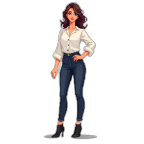
Classic button-up shirts exemplify timeless elegance. Characterized by a structured collar, long sleeves, and a row of buttons down the front, these shirts project an air of sophistication. The tailored fit can transition from traditional to more contemporary styles, making this shirt a staple in many closets. An important aspect of its design is versatility. It pairs effortlessly with skirts for a workplace environment or jeans for a casual day. The unique feature of the button-up shirt—its adaptability across various contexts—makes it a popular choice for many.
However, the structured nature of these shirts may come with comfort trade-offs, especially in warmer weather. A button-up might feel too constricting for some, making fabric choice crucial in ensuring breathability.
Occasions for Wear
The classic button-up shines at an array of occasions. It is ideal for professional settings, making it a go-to option for job interviews, meetings, or office attire. Notably, it creates a polished look that exudes confidence. Beyond the workspace, it also fits seamlessly into smart-casual events, bridging the gap between formal and relaxed settings.
One unique aspect of the button-up shirt is its potential for layering, which allows for creativity in styling—wear it alone or under a sweater for added warmth in chillier months. However, its more formal connotation might not suit every casual outing, presenting a slight limitation in its flexibility.
Casual T-Shirts
Fabric Choices
Casual t-shirts are the epitome of comfort and ease, often made with soft cotton or blends that provide a relaxed fit. The choice of fabric can significantly impact the feel and durability of the shirt. For instance, a heavy-weight cotton t-shirt will often withstand numerous washes while retaining its shape, making it a favorite among those seeking longevity in their wardrobe. Conversely, lightweight cotton or breathable blends can offer superior comfort in warm conditions.
The unique feature of casual t-shirts lies in their simplicity and range of designs. They can be found in an array of colors and graphic prints, which transform the t-shirt into a statement piece. However, the informality of t-shirts might not always be suitable for more structured events.
Styling Options
Styling casual t-shirts opens a world of creativity. Pair them with jeans for a laid-back look, or dress them up with a blazer and statement jewelry for a casual chic ensemble. T-shirts can also be layered under dresses or over a fitted shirt for added depth in the outfit.
A unique feature is their easy adaptability to personal taste; whether adorned with a slogan or kept plain, they cater to various expressions. On the downside, while they offer casual charm, that charm may not hold up in more formal settings, requiring additional styling or layering to elevate the outfit's sophistication.
Chic Blouses
Trendy Elements
Chic blouses introduce an element of fashion-forward thinking into women’s shirts. They typically feature unique cuts, textures, or patterns that lend an artistic flair. For instance, blouses with ruffles and high necklines can add a dramatic touch to an outfit, while asymmetrical hems and sheer elements can showcase creativity in design.
This style is beneficial for personal expression, allowing women to embody current trends while maintaining individuality. A unique feature of blouses is their ability to transition from day to night with minimal effort. However, some may find trends too fleeting, which can lead to a rapid turnover in style choices, complicating wardrobe management.
Pairing with Other Attire
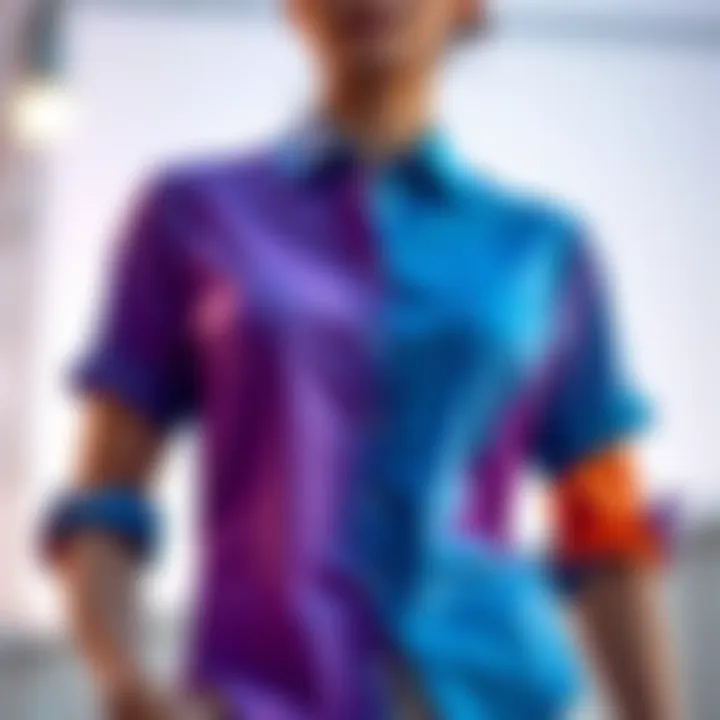
When it comes to pairing, chic blouses can transcend the boundaries of style. They can enhance the elegance of a pair of tailored trousers or elevate a casual skirt. The versatility of blouses makes them attractive for various settings, from brunches to evening gatherings.
The unique characteristic is their layered potential; when worn with a cardigan or under a tailored jacket, they bring an added richness to the outfit. Yet, blouses might require specific care—certain materials may not be as durable or easy to clean as simpler fabrics.
Tailored Shirts for Professional Settings
Expected Fits
Tailored shirts are synonymous with professionalism in the workplace. Their carefully constructed fit ensures a polished silhouette, making them a necessity in corporate environments. The expected fit is typically neater around the shoulders and waist, which enhances overall appearance and confidence—the fit conveys authority.
These shirts cater to a variety of body types, allowing women to find the right style that contours comfortably without being restrictive. However, achieving that perfect fit might require custom tailoring, which may not be feasible for everyone.
Color Palettes
In professional settings, color palettes play a pivotal role. Neutral tones like white, black, and navy stand as default choices due to their versatility and ease of mixing with other professional attire; yet, incorporating deeper hues—like burgundy or forest green—can inject personality into a traditional work wardrobe.
The unique aspect of color choice also permits individual expression while adhering to office norms. Bright colors might elevate one’s mood and offer positive associations but could potentially clash with the conservative nature of certain workplaces.
Seasonal Variations
Summer Styles
When summer rolls around, shirts lightened in fabric and color become crucial. Styles often include sleeveless or short-sleeve options, designed to keep cool while still looking polished. The preferred materials like linen and cotton blends not only provide breathability but also help in managing heat retention.
The unique advantage of summer styles is their ease of transition from day to evening wear. However, choosing the right fit is vital; loose or overly fitted styles can lead to discomfort on particularly hot days.
Winter Adaptations
As temperatures drop, winter adaptations of shirts become essential. Layering is key, with heavier fabrics such as flannel or blended materials frequently coming into play. These shirts often feature long sleeves and are designed to be worn under thicker coats or sweaters.
A unique characteristic of winter styles is their structural versatility; many can appear professional under a tailored blazer or serve well in a more casual setting. However, fabric care becomes paramount, as winter fabrics might require more careful maintenance to preserve their look throughout the season.
Material Matters
The fabrics from which women’s shirts are crafted play a defining role in both their functionality and aesthetic appeal. Selecting the right material is not merely about comfort; it encompasses durability, ease of care, and the environment’s impact. With a variety of choices available, understanding the core benefits and traits of each material can be crucial for fashion enthusiasts looking to make informed wardrobe decisions.
Common Fabrics Used
Cotton
Cotton has consistently ruled the roost in the realm of fabrics for shirt making. Its breathability and softness make it a favored choice among many. Moreover, cotton shirts are easy to care for, able to withstand frequent washing while retaining their shape and comfort. One of the key characteristics of cotton is its natural fiber content, which allows for superior moisture absorption, making it ideal for hot weather.
However, cotton isn’t without its quirks. While it is durable, it can wrinkle easily, requiring some level of maintenance. The florals on a summer cotton shirt may look great but after a day out, it could be a wrinkled mess.
Linen
Linen is another highly regarded fabric, particularly suitable for warm climates. It's lightweight and has a lovely texture that adds a touch of elegance to many styles. Linen shirts tend to have a more relaxed vibe, perfect for casual outings or beachwear. The fibers are breathable, allowing air to circulate, contributing to overall comfort in sticky situations.
Nevertheless, linen’s unique trait—an almost effortless ability to wrinkle—can be a double-edged sword. Some people love the look of that relaxed, lived-in appearance, but others find the creases bothersome. When you wear a linen shirt, you’re sort of accepting the charm of imperfection.
Synthetic Blends
Synthetic blends, often a combination of materials like polyester and spandex, have become increasingly popular. These fabrics can offer the best of both worlds: they tend to bounce back from wrinkles and can be made to fit snugly, without losing their shape. The durability of synthetic materials means they can endure a lot of wear and washing, making them suitable for those who value functionality.
On the flip side, synthetic blends might not be as breathable as natural fibers. This can make a shirt feel stifling on particularly warm days. So, while you might get a great fit that lasts, comfort may take a hit.
Sustainable Fabric Choices
Organic Cotton
Moving towards more sustainable options, organic cotton has emerged as a prime contender. This fabric is grown without synthetic pesticides or fertilizers, which not only benefits the environment but also results in healthier cotton. Its softness and durability make organic cotton a fantastic choice for everyday wear.
However, the flipside is the cost; organic cotton tends to be pricier. Still, for many, the investment is worthwhile for both quality and the environmental benefits.
Recycled Materials
Recycled materials, such as those derived from post-consumer textiles or plastics, have gained momentum in recent years. Utilizing recycled fabric can significantly reduce waste and the need for new raw materials, presenting a more eco-friendly option. This type of fabric can be surprisingly soft and stylish, allowing designers to create trendy pieces without the guilt.
That said, these materials’ availability can be unpredictable. Not all recycled materials match the quality and comfort found in traditional textiles, so shopping around is essential.
Care and Maintenance of Shirt Fabrics
Washing Techniques
Proper washing techniques can extend the life of any shirt fabric, whether it’s cotton, linen, or a synthetic blend. Understanding the recommended washing temperatures and whether air-drying is preferable can keep your beloved shirts looking fresh. Gentle detergents can preserve colors, while cold washes help maintain shape and prevent shrinking, especially for cotton and linen.
Storage Tips
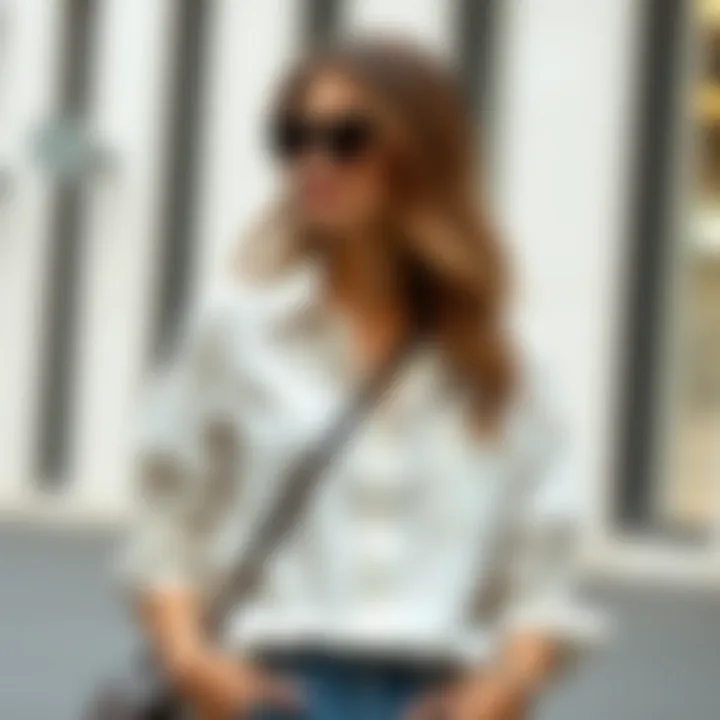
Storage methods also play a critical role in maintaining the integrity of shirt fabrics. Hanging shirts can prevent wrinkles in certain fabrics, while folding can be beneficial for knits or embellished pieces. Using breathable garment bags for delicate fabrics adds an extra layer of protection. Each method has pros and cons, but finding what works best can make a significant impact on the longevity of your shirts.
Current Trends in Women's Shirts
In the ever-changing landscape of fashion, identifying current trends in women's shirts holds significant importance. An understanding of these trends equips fashion enthusiasts, stylists, and designers with insights that can enhance wardrobe choices. The way shirts reflect personal style can transform not just the look of an outfit but also the overall perception of character and identity. Moreover, awareness of trends allows for practical applications, leading to a more versatile and functional wardrobe.
Color Trends
Pastels
Pastel colors have taken a firm hold in contemporary fashion scenes, exuding a soft yet refined elegance that's hard to ignore. Often characterized by their light, muted tones, pastels contribute to a serene visual experience. These hues, like mint, baby blue, and blush pink, inject a fresh vibe, making them a perfect choice for spring or summer wardrobes. They can soften a look, lending it an air of tranquility.
Pastels not only exude gentleness but also offer versatility, making them suitable for various occasions.
However, it's essential to be mindful; pastels may not be everyone's go-to. They can wash out some skin tones and may not lend themselves well to the more somber aesthetics some prefer. Pairing pastels with bolder accessories or complementary shades can elevate their charm.
Bold Hues
Conversely, bold hues dominate another essential facet of shirt trends. Vivid colors like royal blue, fiery red, and emerald green make a striking statement and capture attention. Bold colors can convey confidence and assertiveness, allowing wearers to stand out in a crowd. They are uplifting, often associated with energy and vibrancy.
These colors are particularly beneficial for achieving a standout look during casual outings or formal events, providing a chance to express individuality. However, one must be cautious; bold hues can sometimes clash with certain skintones or overpower an ensemble if not styled thoughtfully.
Patterned Options
Florals
Floral patterns have been a longstanding favorite, with their roots deeply embedded in women's fashion. They bring a slice of nature into daily wardrobes and echo a sense of femininity and romance. From bright and vibrant blossoms to understated blooms, floral shirts cater to a wide range of styles and tastes.
The beauty of florals lies in their ability to blend seamlessly with various outfit choices, adding flair to casual looks or softening the rigidity of formal attire. Notably, floral patterns also come with their own set of challenges, as they may overwhelm certain body types or clash when paired with other prints.
Stripes and Checks
Stripes and checks offer a refreshing twist in patterned options, often considered classics due to their enduring appeal. Stripes can elongate the frame, providing a flattering aesthetic that suits many body types. Checks, with their structured nature, bring a touch of sophistication and can transition smoothly from work to leisure.
While these patterns offer many advantages in terms of versatility, they can be monotonous if not integrated thoughtfully. Mixing patterns or incorporating solid colors can break the routine and add a playful dimension to an outfit.
Influences of Streetwear
Urban Inspirations
The impact of streetwear on women's shirts cannot be understated. Urban inspirations shape how shirts are designed, promoting comfort without sacrificing style. Oversized silhouettes, unique cuts, and street-centric graphics have transformed the landscape of women's fashion, allowing for a more relaxed yet assertive expression.
Urban styles cater to the modern woman's busy life by blending functionality with trendiness. However, while embracing these influences, one must strike a balance—ensuring not to go overboard with layering or accessories, which can muddle the overall look.
Gender Fluidity in Styles
Gender fluidity has begun to redefine the parameters of traditional shirt fashion. Women are increasingly embracing styles that aren't strictly feminine, opting instead for designs that challenge societal norms. Flowing fabrics, unstructured cuts, and neutral palettes invite a sense of inclusivity and allow self-expression beneath the clothing choices.
This trend is influential, as it breaks down the barriers that previously confined style within gender roles. But one must navigate this space carefully; while experimenting with gender fluid fashion, awareness of comfort and fit is essential to avoid any unflattering outcomes.
In summary, the exploration of current trends in women's shirts reveals a landscape rich with opportunities for self-expression. From captivating colors to innovative patterns and the exciting impacts of streetwear, these elements allow women to communicate their individuality through their clothing choices. The right awareness of trends and their implications can set the foundation for a wardrobe that is not only stylish but also personally meaningful.
Building a Versatile Wardrobe with Shirts
Creating a versatile wardrobe with shirts is essential for anyone looking to maximize their fashion choices while maintaining a sophisticated personal style. Shirts serve as the backbone of a woman's wardrobe, allowing for effortless transitions between various settings, whether casual, professional, or formal. The importance of incorporating a variety of shirts involves understanding the different styles available and how they can be adapted for specific occasions, allowing for greater expression and practicality.
A versatile wardrobe is not a mere collection of random pieces but rather a thoughtfully curated selection that can be mixed and matched to create numerous outfits. This approach ensures that each shirt serves multiple purposes, providing functionality without sacrificing style. In this section, we will explore essential shirt styles appropriate for different occasions, alongside effective strategies to mix and match these pieces creatively.
Essential Shirt Styles for Different Occasions
Office
In the fast-paced environment of the office, a smartly chosen shirt can elevate a woman's presence while remaining functional. The key characteristic of office shirts is their polished appearance, which often includes tailored cuts and sophisticated fabrics like silk or high-quality cotton. A popular choice for professional settings, button-up shirts not only convey professionalism but also allow for comfort during long hours of work.
Unique features of office shirts include crisp collars, structured sleeves, and thoughtful details like pockets or subtle patterns. The advantage of this style lies in its ability to pair effortlessly with blazers and tailored trousers, creating a cohesive look that commands respect in any meeting. However, a downside could be the reliance on a strict color palette, which may limit personal expression for some.
Casual Outings
Casual outings call for shirts that blend comfort with style, providing ease while also allowing a hint of personality. Casual shirts, such as relaxed button-ups or soft t-shirts, are characterized by breathable materials and playful prints. They make it a beneficial choice for weekend brunches or a stroll in the park.
A unique feature of casual shirts is their versatility; they can be dressed down with jeans or even dressed up with a striking necklace and skirt. This adaptability is advantageous for those looking to minimize clutter in their wardrobes while maximizing outfit potential. Yet, how laid-back one goes can sometimes detract from formality, making them less suitable for unexpected business encounters.
Formal Events
For formal events, shirts represent a canvas for elegance and refinement. The key characteristic of formal shirts is their immaculate presentation—featuring fabrics like satin or finely woven textiles that reflect sophistication. Why are they a popular choice for special occasions? Because they provide a touch of class and shape, making any outfit feel complete and put-together.
Throw in elements like unique cutting or jewelry paired with a formal shirt, and it’s easy to showcase one’s individual style. However, the disadvantage might be the restriction on what can be worn with them; matching a formal shirt with appropriate bottoms and accessories becomes imperative for achieving an ideal look.

Mix and Match Strategies
Building a wardrobe that allows for high variability in style comes down to mastering the art of mixing and matching. This section discusses valuable strategies that enhance the versatility of shirts, making them suitable for various trends and settings.
Layering Techniques
Layering transforms shirts from basic staples into standout pieces that tell a story. This technique involves wearing multiple layers, such as pairing a button-up shirt with a chic cardigan or a denim jacket. This key characteristic allows for personal expression and adaptability to changing temperatures throughout the day.
Layering is beneficial because it adds depth to an outfit, allowing a simple shirt to evolve into something more intricate without much effort. One unique feature is its ability to create a fit that balances comfort and style, which can be easily adapted. However, one must be careful not to overdo it; too many layers can overwhelm the outfit and detract from the shirt itself.
Color Coordination
Color coordination is a vital aspect of mixing and matching shirts. This practice involves selecting shirt colors harmonious with other items in one’s wardrobe, leading to effortless outfit creation. The key characteristic here is the understanding of color theory and how different shades complement or clash.
Employing color coordination is a beneficial choice because it simplifies decision-making during outfit selection while maximizing the impact of each piece. In terms of unique features, this strategy allows a woman to express her moods and styles through thoughtful color choices. However, balancing bold colors can be tricky; it requires a keen eye and sense to avoid creating a jarring ensemble.
The Role of Shirts in Fashion Expression
Shirts play a significant role in the realm of fashion, acting as a canvas for personal expression. Every shirt tells a story—whether it’s a casual tee worn on a lazy Sunday or a structured blouse exuding professional polish. The versatility of shirts lies in their capacity to transcend mere fabric and stitches, emerging instead as symbols of identity, creativity, and taste.
Fashion is not merely about vanity; it’s a powerful medium of communication. A shirt can convey attitudes and emotions, revealing insights about the wearer's character before a single word is spoken. It’s interesting to note how the world of women's shirts can reflect the shifting sands of societal norms and expectations. For instance, a tailored shirt might suggest professionalism while a loose, oversized tee could indicate a laid-back attitude.
"Fashion is the armor to survive the reality of everyday life."
- Bill Cunningham
This brings to light the dual role shirts can play, not just as clothing but also as a means of navigating social landscapes.
There are layers to consider when examining shirts in fashion. From the craftsmanship involved in a high-end design to the streetwear ethos that informs casual styles, shirts serve multiple functions. The fabric, cut, and details communicate something unique, allowing the wearer to engage with fashion on a deeper level.
To enhance a wardrobe based on personal expression, consider these elements:
- Color: Bright colors can provoke energy, while muted shades often convey calmness or seriousness.
- Fit: Flattering cuts that align with body shape can boost confidence.
- Textures: Different materials used in shirts—from crisp cotton to soft silk—feel distinct and can alter the outfit's overall vibe.
Beyond aesthetics, shirts also bear cultural significance. From graphic tees that champion causes to statement blouses that evoke powerful memories or movements, these garments embody more than just trends. They can evoke nostalgia or forge connections within communities, bridging gaps between fashion and lived experiences.
Thus, the role of shirts in fashion expression encapsulates a conversation between the individual and the collective. Shirts allow women—and all those who wear them—to articulate not just personal styles but also broader statements about gender, culture, and selfhood.
Symbolism of Different Styles
Each shirt style carries its own symbolism and meaning. Classic button-ups might evoke authority and professionalism, making them favorites in boardrooms, whereas casual t-shirts can reflect leisure and comfort, signaling a more relaxed state of mind.
Chic blouses often represent femininity and elegance, pairing beautifully with skirts or tailored trousers for various social settings. In contrast, oversized shirts might embrace a more androgynous spirit, blurring the lines between traditional gender norms. Such garments demonstrate how fashion can shift and evolve, influenced by cultural dialogues surrounding gender and identity.
- Button-Up Shirts: Symbolize professionalism, often worn in leading roles or formal gatherings.
- T-Shirts: Emphasize comfort and individuality; graphic designs can resonate with personal beliefs or humor.
- Blouses: Represent femininity, stylishness while adaptable for formal and casual settings.
- Oversized Shirts: Challenge norms and encourage gender fluidity in fashion.
As these styles ebb and flow with the latest trends, they serve as markers of what’s culturally relevant at a given time, allowing wearers to showcase personal and collective ideologies through their choices.
Dressing for Identity
Identity in fashion can often feel like a tightly woven tapestry—a blend of personal history, cultural influences, and evolving self-perception. When women choose shirts to dress, they often navigate aspects of their identity, using clothes as tools for self-expression.
Consider how a woman might select a brightly colored shirt with a bold graphic to make a statement about activism or social issues she cares about. Similarly, a simple, well-tailored white shirt can embody class and sophistication in many contexts.
In a world where the message behind the clothing is crucial, the following are important:
- Cultural Reflections: Shirts can reflect cultural backgrounds and traditions, providing a visual representation of a person's heritage.
- Personal Stories: Every wrinkle and detail in a shirt may narrate experiences and milestones in a person's journey—travel, love, challenges overcome.
- Emotional Expression: Clothing choice can serve as a response to internal feelings; comfort might draw someone toward softer fabrics, while a desire for empowerment could lean toward bolder silhouettes.
Moreover, as societal attitudes evolve, so do the messages behind fashion choices. By strategically using shirts, individuals can challenge stereotypes and push against societal expectations. For instance, wearing a traditionally masculine cut can assert confidence and defy gender norms, while a vibrant floral blouse may amplify rebellion against perceived standards of what a woman should wear.
In sum, shirts are more than clothing; they’re symbols of identity, autonomy, and personal history, underscoring how fashion remains a dynamic field that thrives on innovation and the quest for authenticity.
Closure
The world of women’s shirts serves as a mirror reflecting the myriad shifts in cultural trends, personal style, and social context. In this article, we have traversed through the diverse landscape of this clothing staple, examining not only its stylistic variations but also its unique ability to enhance individual expression. The importance of this topic cannot be understated, as shirts are not merely functional items but rather vehicles for showcasing identity and values.
Summarizing Key Insights
Throughout our exploration, we have illuminated several key insights that bolster the significance of women's shirts in contemporary fashion. To recap:
- Versatility: Women’s shirts come in a multitude of styles—be it a classic button-up, a breezy blouse, or a comfortable t-shirt—making them suitable for nearly every occasion.
- Material Matters: The choice of fabric can dramatically affect both comfort and aesthetics. From breathable cotton for summer to tailored wool blends for winter, each material plays a pivotal role in defining the garment's functionality and style.
- Current Trends: Trends in color and pattern, influenced heavily by street style and cultural movements, highlight the constant evolution within this space. Women today are gravitating towards both bold statements and subtle nuances, echoing larger societal themes around expression and identity.
- Wardrobe Building: A well-curated shirt collection allows for endless styling possibilities, enabling women to transition seamlessly from casual wear to formal engagements.
“Fashion is not necessarily about labels. It’s not about brands. It’s about something else that comes from within you.” – Ralph Lauren
Each of these insights serves as a critical component in understanding how women's shirts contribute not only to individual wardrobes but also to broader fashion discourse.
Final Thoughts on the Future of Women's Shirts
Looking to the future, it is clear that the realm of women’s shirts will continue to adapt to changing societal norms and preferences. Sustainability is poised to be a significant driver in the upcoming years as consumers become more conscientious about their purchasing decisions. The shift towards eco-friendly materials and ethical production practices is likely to reshape how shirts are designed and marketed.
Furthermore, the rise of digital platforms means the potential for customizability will expand. Imagine a scenario where every woman can design her shirt to reflect her unique style—colors, cuts, and fabrics at her fingertips. This could transform the shirt from a mass-produced item to a personalized statement piece.
As trends in gender fluidity continue their momentum, we may also see a greater merging of styles traditionally categorized as menswear and womenswear. Shirts that are versatile enough to be worn by all genders will redefine convenience in wardrobe choices.
Ultimately, the journey of women’s shirts is far from over. As they adapt and evolve, they will remain essential not only in fashion but as symbols of broader cultural shifts, identity, and personal expression. Engaging with this topic allows fashion enthusiasts, stylists, and designers to stay ahead of trends while honoring the rich heritage and changing future of women's garments.