
Hypoallergenic Bridal Jewelry: Essential Insights for Brides
Intro
When it comes to bridal jewelry, the significance of selecting hypoallergenic materials cannot be overstated. For many brides, their wedding day is a culmination of dreams, and the last thing they want is to be distracted by discomfort or skin irritations caused by unsuitable jewelry. Exploring hypoallergenic bridal options has become essential, especially for those grappling with sensitivities or allergies. This guide aims to unravel the key aspects of hypoallergenic bridal jewelry, covering everything from the materials used to care tips, allowing brides to make informed, stylish choices that enhance their special day.
Fashion Trends
Current Styles and Influences
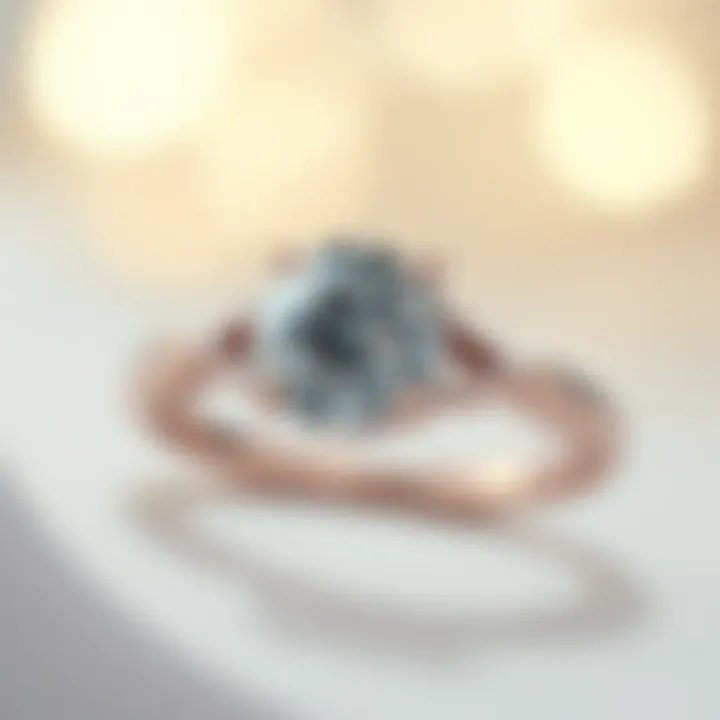
The realm of hypoallergenic bridal jewelry has evolved dramatically, influenced by trends in both fashion and awareness around skin sensitivities. Designers are now embracing materials such as titanium, platinum, and certain types of gold, which are known for their biocompatibility. These metals not only provide an alluring aesthetic, but they also negate the risk of allergic reactions. Modern brides are gravitating towards pieces that showcase elegance and strength. For example, delicate rose gold rings adorned with ethically sourced diamonds are gaining traction.
"Choosing hypoallergenic options for bridal jewelry doesn’t just protect the skin; it also elevates the overall look with stunning styles that are safe and secure."
In addition to metals, gemstones like sapphires and diamonds are often favored due to their durability. The art of mixing and matching different metals and stones is also a trend on the rise, allowing for unique personalization that reflects individual tastes and styles. Today’s brides are not just looking for something pretty; they want something that tells their story while being kind to their skin.
Forecasting Future Trends
Looking ahead, the fusion of sustainability and hypoallergenic materials seems to be a defining trend. As consumers become more eco-conscious, they are more likely to seek out jewelry that aligns with their values. Future predictions suggest a rise in the usage of recycled metals and lab-grown stones, which are not only hypoallergenic but also environmentally friendly.
Moreover, customization is likely to play a significant role. Couples may opt for bespoke pieces that are designed specifically to fit their personalities and requirements. The ability to craft unique jewelry using hypoallergenic materials could redefine what traditional bridal jewelry looks like, placing individual expression at the forefront.
Selecting the Right Hypoallergenic Jewelry
Key Considerations
When searching for hypoallergenic bridal jewelry, it’s essential to keep a few factors in mind:
- Material Certification: Ensure that your chosen pieces are made from certified hypoallergenic materials. Look for markings such as nickel-free to avoid allergies.
- Comfort and Fit: The final test should be how the jewelry feels. If it pinches, irritates or doesn’t fit well, no amount of aesthetic appeal will make it worthwhile.
- Style Compatibility: Your jewelry should complement your bridal attire. Whether you're going for vintage glam or contemporary chic, choosing pieces that tie into your overall look is crucial.
In navigating the world of hypoallergenic options, keep the above considerations at close hand to ensure a seamless, stress-free selection process for your wedding jewelry.
End
With the rise of awareness around skin sensitivities and allergic reactions, it’s clear that hypoallergenic jewelry is no longer an afterthought for brides. It’s becoming a staple in bridal fashion, providing options that are both beautiful and safe. As trends progress, the focus will likely remain on sustainability and individuality, ensuring that every bride can shine without a hint of discomfort.
For further resources, you can visit the following relevant sites to continue your research:
- Wikipedia – Hypoallergenic materials
- Britannica – Wedding traditions
- Reddit – Bridal jewelry advice
- Government resource on jewelry safety
Understanding Hypoallergenic Jewelry
When planning for the big day, every detail matters, and one often-overlooked aspect is bridal jewelry. For brides with sensitive skin, the choice of jewelry can make or break the entire experience. Hypoallergenic jewelry, specifically designed to minimize allergic reactions, plays a crucial role in ensuring comfort while still looking stunning.
Definition of Hypoallergenic
In simple terms, hypoallergenic jewelry is crafted to reduce the risk of allergic reactions. This is achieved by using materials that are less likely to cause skin irritation. Unlike standard jewelry which may contain metals like nickel, which is notorious for triggering allergies, hypoallergenic pieces are typically made from materials such as titanium, platinum, or even certain types of stainless steel.
The term itself suggests a lower chance of causing allergic responses, making it a favorable choice for those with sensitive skin. However, it is important to keep in mind that 'hypoallergenic' does not equate to 'allergy-free.' Some individuals may still react to specific metals or materials, and personal sensitivity can vary greatly. That said, hypoallergenic options generally provide a more reliable solution for most skin types.
Importance for Sensitive Skin
Brides with sensitive skin confront unique challenges when searching for their wedding jewelry. While the right piece can elevate the bridal look, the wrong choice might lead to discomfort or skin irritations. The importance of opting for hypoallergenic jewelry lies in its ability to mitigate these potential issues.
- Comfort is Key: A wedding day is long and filled with emotions. The last thing a bride wants is to be distracted by itching or rashes caused by her jewelry.
- Style without Compromise: Hypoallergenic jewelry doesn’t shy away from style. Modern designs in these materials can rival those made from traditional metals. This means one can achieve a stunning ensemble without jeopardizing skin health.
- Peace of Mind: Knowing that the pieces worn on such an important day are less likely to cause allergic reactions allows brides to focus on their moment—confidently and joyfully.
In summary, understanding hypoallergenic jewelry is essential for sensitive brides wishing to intertwine elegance with comfort. Choosing the right pieces can elevate not only the bridal look but also the overall experience, allowing happiness to take center stage.
"Comfort and style can coexist beautifully, especially on one of the most important days of your life.”
In the following sections, we will delve deeper into the science behind allergic reactions and explore what metals and materials can be considered truly hypoallergenic.
The Science Behind Allergic Reactions
Understanding the underlying science of allergic reactions offers a glimpse into the complexities surrounding hypoallergenic bridal jewelry. This section dives into what exactly triggers these responses, focusing on certain metals and their common presence in traditional jewelry. Brides with sensitive skin, in particular, should familiarize themselves with these elements to empower their choices while shopping for those special adornments.
Common Allergens in Jewelry
Certain metals and materials are notorious for causing allergic reactions. Common culprits include:
- Nickel: Often used in alloy formulas for its strength and cost-effectiveness, nickel can provoke dermatitis in sensitive individuals. It's found in many fashion pieces, making it critical to check for nickel content.
- Copper: While not as prevalent as nickel, copper can also trigger reactions, especially in those who may be sensitive to its oxidized forms. Some gold jewelry, particularly lower karat options, may contain copper.
- Zinc: Though commonly found in brass, zinc can elicit a range of allergic responses, especially in people with sensitivities.
- Lead: Though not often used in quality jewelry, certain cheap alternatives may still contain lead, which poses significant health risks and can also lead to skin reactions.
It's essential for brides to scrutinize the composition of jewelry. Certifications and material disclosures can reveal whether a piece is safe for sensitive skin. Knowing what to look for can help avoid allergic responses that can tarnish the excitement of a wedding day.
Symptoms of Allergic Reactions
Recognizing the signs of allergic reactions might save one from distress on a special day. The symptoms vary in severity and may include:
- Redness and Itching: This is usually the earliest sign, manifesting as a rash that can be both painful and unsightly.
- Swelling: An area around the jewelry can become swollen, signaling a more significant irritation.
- Blisters: In some cases, the skin may develop small blisters filled with fluid, indicating a serious response.
- Peeling Skin: Following an allergic reaction, the skin may peel as it tries to heal.
If a bride begins experiencing these symptoms, it’s crucial to remove the offending jewelry immediately. A quick diagnosis can save a lot of discomfort and allow for better choices in the future.
When it comes to bridal jewelry, comfort should never take a backseat to beauty.
Understanding these common allergens and their potential symptoms equips brides with the right tools for selecting hypoallergenic options. This knowledge fosters informed decisions, ensuring one's special day sparkles without the unwelcome spotlight of an allergic reaction.
Metals Used in Hypoallergenic Bridal Jewelry
Selecting the right metal for bridal jewelry is paramount, especially for those with sensitive skin. Traditional metals often contain alloys that can provoke allergic reactions. Hence, understanding which metals are hypoallergenic not only ensures comfort but also equips brides with knowledge to choose pieces that match their personal style while avoiding skin irritations.
Platinum
Platinum is a heavyweight champion in hypoallergenic jewelry, and it’s easy to see why. This metal is not only durable but also resistant to tarnish, so it will maintain its luster long after the wedding day. It is often used in engagement rings and wedding bands. The purity of platinum—typically 90% or higher—makes it an excellent option for sensitive skin. Brides can wear it without worrying about discomfort. Furthermore, it's a naturally white metal, which elegantly complements various gemstones. Platinum is worth considering for a lasting investment in bridal jewelry, thanks to its timeless appeal and robustness.
Titanium
Titanium isn’t just for aerospace; it's quickly becoming a go-to for hypoallergenic jewelry. This metal is exceptionally strong yet remarkably light, making it a favorite for those who prefer understated pieces. One of the primary benefits of titanium is its biocompatibility. This means that it won't cause harmful reactions with the body. In addition to wedding bands, it’s a great choice for other accessories, such as necklaces or bracelets. Its unique, modern finish can actually enhance the bands' appearance while remaining allergy-friendly.
Palladium
Often overshadowed by its more popular counterparts, palladium stands out as a hypoallergenic option. Not only is it part of the platinum family, but it also boasts similar benefits, such as resistance to tarnishing and scratches. One might say it’s the unsung hero of hypoallergenic bridal jewelry. Palladium rings can naturally maintain their white color, needing little to no upkeep. The lightweight nature of palladium makes it comfortable to wear even all day long, a crucial factor on your wedding.
Nickel-Free Gold
For those who still yearn for the classic warmth of gold, nickel-free gold presents a fantastic alternative. Regular gold jewelry often contains nickel, a common allergen. However, nickel-free gold is made from alloys that substitute nickel with other, non-reactive metals. This means brides can indulge in the elegance of gold without fear. Both white and yellow varieties are available, allowing for personalization according to one's taste. Understanding the different karats (like 14K or 18K) can also help in making more informed choices, as higher karats typically contain less alloy mix.
When selecting hypoallergenic bridal jewelry, knowing the metal composition is crucial for a comfortable wear experience.
By focusing on these hypoallergenic metals, brides can confidently curate their jewelry selection, tailored to both their skin's needs and their aesthetic preferences.
Identifying Hypoallergenic Jewelry
When it comes to bridal jewelry, comfort and style should ideally go hand in hand. For many brides, the wedding day is one of the most memorable occasions in their lives, and the last thing they want is to deal with discomfort caused by allergic reactions to jewelry. Understanding how to identify hypoallergenic jewelry is crucial, particularly for those with sensitive skin.
Picking the right pieces means brides can celebrate their union without the worry of skin irritations getting in the way. The importance lies not only in aesthetics but also in ensuring that the jewelry doesn't cause distress. Here are some key elements to consider when identifying hypoallergenic jewelry.
Certification Marks to Look For
When browsing for the perfect bridal jewelry, keep an eye out for certification marks that denote hypoallergenic properties. These marks act as a form of assurance that the materials used in the jewelry have been tested and deemed safe for sensitive skin. Look for labels that say "nickel-free" or identify the metal quality, such as "platinum" or "surgical-grade stainless steel."
The right certification can mean the difference between a flawless wedding and an evening of discomfort.
Here are some common certification marks to consider:
- S925: Indicates that the piece is made from 92.5% sterling silver, which is less likely to cause allergic reactions compared to lower-quality silver.
- Nickel-Free: Look for this mark, especially in gold or silver jewelry; nickel is a common allergen found in many alloys.
- Hypoallergenic Jewelry Tag: Some brands specifically label their items as hypoallergenic, providing peace of mind to the buyer.
Manufacturer Recommendations
In addition to certification marks, it’s wise to pay attention to manufacturer recommendations when selecting jewelry. Many reputable brands will provide guidance on their products. Look for manufacturers known for their commitment to quality and safety in materials. Many established jewelry makers list hypoallergenic items explicitly in their catalogs.
When considering a manufacturer, you may want to:
- Research their reputation: Read reviews or check forums to see what others have experienced. Often, firsthand accounts can highlight whether a brand lives up to its hypoallergenic claims.
- Contact them directly: If in doubt, reach out to ask about their hypoallergenic options. A reputable manufacturer will be more than happy to provide details about their materials and certifications.
- Request samples: For some specialized pieces, a trial run might be possible. This provides an opportunity to gauge comfort before committing.
Hypoallergenic Alternatives to Traditional Options
When it comes to bridal jewelry, finding the right pieces that will complement your style while ensuring comfort can be a tricky road to navigate. This is especially true for brides with sensitive skin, who need to be particularly cautious about the materials used in their jewelry. Traditional options, which often include metals known for causing reactions, can be daunting to consider. Thus, exploring hypoallergenic alternatives becomes essential. This section emphasizes non-metal options and synthetic materials, providing brides with a comprehensive look at chic and safe choices for their big day.
Non-Metal Jewelry Options
Brides today are more open than ever to embracing unique, non-metal jewelry choices. These options present not only a way to avoid allergic reactions, but they also allow for creativity and individuality. Here are some of the most popular materials to consider:
- Wood: Often overlooked, wooden jewelry can bring a rustic charm. When treated properly, wood can be both durable and hypoallergenic. Each piece carries its own unique grain and color variations, making for one-of-a-kind items.
- Resin: This versatile material can be molded into various shapes and comes in a wide array of colors. Resin jewelry can mimic the aesthetics of both traditional gemstones and metals, often at a lower cost.
- Ceramics: Known for their elegance and strength, ceramic pieces hold up well over time. They’re also entirely safe for sensitive skin, offering brides a pristine finish that can be both contemporary and timeless.
- Fabric: For a more whimsical approach, fabric-based jewelry can add a plush feel to your ensemble. Pieces embellished with fabrics can be fun and expressive without any metal exposure, ideal for a more casual or unique wedding theme.
The beauty of these materials lies not just in their hypoallergenic properties but also in their ability to be customized and designed to perfectly fit the wedding theme. They can be designed to complement any dress style, from bohemian to classic.
Synthetic Stones and Materials
Not all brides are keen on diamonds and other natural gems, especially when taking allergy issues into account. Enter synthetic stones, which have emerged as trendy and hypoallergenic alternatives. Here’s why brides should consider these man-made materials:
- Gemstone Simulants: These synthetic stones are crafted to mimic the appearance of natural gems without the risk of allergic reactions. For example, cubic zirconia is a brilliant stand-in for diamonds, while synthetic sapphires can offer vibrant blues without the irritants found in some natural stones.
- Moissanite: Increasingly popular, moissanite is not only durable but also beautiful, boasting an impressive sparkle that rivals even the finest diamonds. It's a noble choice free from nickel and other allergens.
- Lab-Created Gems: Many couples are choosing lab-grown options for their ethical stance as well as their hypoallergenic properties. Whether you’re after a deep emerald or a regal ruby, these gems can be just as stunning as their mined counterparts.
- Biodegradable Materials: Innovative designers have started utilizing eco-friendly synthetics that are not only safe for skin but also kind to the planet. They add a modern twist to traditional designs, enabling conscious choices for the environmentally aware bride.
"Embracing synthetic and non-metal materials in your bridal jewelry isn’t just about safety; it also reflects your personal values and style preferences."
Incorporating these alternatives not only safeguards sensitive skin but also diversifies the realm of bridal jewelry. By choosing hypoallergenic options, brides can wear their jewelry with confidence, allowing them to shine brighter on their wedding day.
Design Trends in Hypoallergenic Bridal Jewelry
In the realm of bridal jewelry, it's no longer just about the sparkle or the shine. The significance of choosing hypoallergenic pieces has become paramount for many brides who grapple with sensitivities. Recent years have seen a shift in design trends, marrying aesthetics with practicality. Couples today seek jewelry that not only complements their style but also ensures comfort throughout their special day. These trends are reshaping the landscape of bridal adornments, offering styles that cater to the discerning needs of sensitive brides.
Hypoallergenic jewelry design trends focus on several key elements. For starters, the integration of sophisticated designs with hypoallergenic materials speaks to an evolving understanding of both beauty and health. This balance is crucial as it allows brides to express their individuality without compromising on skin comfort. Also, as the conversation around sustainability gains traction, many jewelry designers are turning their eyes towards eco-friendly practices, further influencing current patterns.
Current Styles
When considering the landscape of hypoallergenic bridal jewelry, it’s worthwhile to delve into contemporary styles that are currently making waves. One notable trend is the use of minimalistic designs. These pieces often feature simple lines and understated elegance, making them a versatile choice that pairs well with various wedding themes. By using smooth finishes and shapes, jewelry made from platinum or titanium highlights both durability and aesthetic appeal.
Another captivating trend is the rise of geometric shapes. These sharp edges and symmetrical designs add a touch of modern flair, often combined with elegant gemstones that draw the eye without overwhelming sensitive skin. For those drawn to a bit of vintage charm, you might consider Art Deco influences, which incorporate intricate detailing while employing hypoallergenic materials such as nickel-free gold.
Emerging styles also include customizable options. Many designers now offer pieces that brides can personalize, allowing for unique engraving or the inclusion of birthstones. This personal touch not only makes the jewelry more meaningful but also caters to individual sensitivities by choosing compatible materials and styles.
Classic vs. Modern Aesthetics
The tug-of-war between classic and modern aesthetics in hypoallergenic bridal jewelry can spark a lively debate among brides-to-be. On one hand, classic designs resonate with timeless elegance, featuring motifs like floral patterns and delicate filigree. These pieces often evoke a sense of nostalgia and romanticism, appealing to those who want to evoke traditions. Many of these classics can be crafted in metals like palladium, which is both hypoallergenic and elegant.
Conversely, modern aesthetics flaunt a more progressive approach, favoring sleek lines or abstract forms. Modern pieces often embrace unusual materials or innovative designs like asymmetrical earrings or cuff bracelets fashioned from innovative composites. This contemporary style speaks to those who wish to break away from the old mold and make bold statements about their identity.
Ultimately, the choice between classic and modern comes down to personal preference, and within the realm of hypoallergenic jewelry, the options are as diverse as the brides themselves. The key here is to find pieces that not only look stunning but also resonate with individual stories and preferences. As tastes evolve, so too do the dimensions of bridal jewelry, ensuring every bride finds a piece that fits her vision for her special day.
Selecting the Right Pieces
Choosing the right pieces of hypoallergenic bridal jewelry can make all the difference in how a bride feels on her big day. It’s much more than just picking something that looks good; it’s about finding pieces that resonate with your personal style while ensuring comfort and safety. For those with sensitive skin or allergies to certain metals, it’s crucial to understand the implications that certain jewelry materials can have.
When selecting your bridal jewelry, there are a few key elements to keep in mind. First and foremost, comfort is paramount. A comfortable piece allows you to enjoy your day without constantly worrying about irritation. Additionally, it’s essential to consider the quality and source of the materials. This means looking for jewelry made from hypoallergenic metals like platinum or titanium, which can help avoid unwanted reactions. Not all that glitters is gold, and ensuring that the jewelry meets specific standards can give peace of mind.
Moreover, don’t overlook the aesthetic aspect. The jewelry should align with your desired look, whether it’s elegant, bohemian, or vintage. After all, a stunning piece can perfectly complement your wedding gown, enhancing your overall appearance.
Determining Personal Style
To select jewelry that beautifully mirrors your personality, start by reflecting on your style. Do you lean towards the classic and timeless? Or perhaps you prefer more modern and unique designs? Understanding your personal aesthetic can drastically narrow down the options available to you.
Look back at your everyday pieces; are there certain metals or styles that you consistently wear and love? Incorporating these elements into your bridal look can ensure that you feel like yourself rather than wearing something just for the sake of it.
You can also gather inspiration from bridal magazines or social media platforms, where you can see how different styles come together. Don’t shy away from experimenting with colors or stones that might not typically be in line with what you usually wear. This can be an opportunity to step outside your comfort zone while making sure the essence of who you are shines through.
Matching to Wedding Theme


The wedding’s theme plays a pivotal role in the choice of jewelry. A cohesive look will not only look visually pleasing but also contribute to the overall atmosphere you aim to create.
For a vintage-themed wedding, consider ornate designs adorned with intricate details and perhaps pearls that echo the nostalgia of yesteryears. Conversely, if your theme is more minimalist or modern, sleek and simple pieces might be a better fit. Think along the lines of geometric shapes or subtle elegance.
Here are some theme-specific suggestions:
- Bohemian: Look for rustic pieces with natural stones or feather motifs.
- Romantic: Soft pastels and delicate designs with floral motifs can enhance the overall feel.
- Classic: Timeless pearl or diamond pieces always exude elegance and sophistication.
Matching your hypoallergenic jewelry to your wedding theme means creating a consistent and harmonious aesthetic on your special day.
Caring for Hypoallergenic Wedding Jewelry
Caring for hypoallergenic wedding jewelry is crucial, not just for aesthetic reasons, but to maintain the integrity and longevity of these cherished pieces. Just like any other type of jewelry, hypoallergenic items require a tailored approach to cleaning and storage, particularly for those sensitive to certain metals or materials. Proper care ensures that your significant investment in bridal jewelry remains as stunning as the day you first wore it, and more importantly, continues to be comfortable and non-irritating for your skin.
Cleaning and Maintenance Tips
Keeping hypoallergenic jewelry clean is vital to prevent buildup of dirt and oils that can dull its shine or even trigger a reaction. Here are some effective tips for maintaining the brilliance of your wedding rings or earrings:
- Gentle Cleaning Solutions: Mix warm water with mild soap. Avoid harsh chemicals or abrasives, as they can scratch or wear down jewelry. Simply soak the pieces for a few minutes, then gently scrub with a soft brush, like a toothbrush.
- Rinse Thoroughly: After cleaning, ensure to rinse thoroughly under lukewarm water. This step washes away any soap residue that might linger, which, over time, can cause irritation.
- Drying Properly: Use a lint-free cloth to dry your jewelry. Avoid paper towels, which can leave scratches.
- Regular Check-Ups: Every so often, inspect your jewelry for any loose stones or signs of wear. Finding these issues sooner rather than later will save you from potentially losing a precious gem.
Storage Recommendations
How you store your hypoallergenic wedding jewelry can have a significant impact on its condition over time. Here’s how to ensure your pieces remain in top shape:
- Soft Lining: Store your jewelry in a box lined with a soft material. This protects against scratches from other jewelry and keeps dust at bay.
- Separate Storage: Avoid tossing different pieces together. Keeping them separated helps prevent scratching and tangling. Little pouches or dedicated slots in jewelry boxes work wonders.
- Avoid Humidity: Keep your jewelry in a cool, dry place. Humid environments can promote tarnishing, even for hypoallergenic options.
- Away from Light: Storing your jewelry in a dark place can help prevent fading of any colored stones or coatings, ensuring they maintain their vibrancy.
Proper care and storage of hypoallergenic jewelry not only protects your skin but elevates the lifespan of these exquisite adornments.
By paying close attention to cleaning and storage, you ensure that your hypoallergenic bridal jewelry looks great and remains a joy to wear, enhancing your special day and beyond. Keeping these tips in mind will go a long way in transforming your wedding jewelry into heirlooms for generations to come.
The Future of Hypoallergenic Jewelry
As the world of jewelry continues to evolve, the concept of hypoallergenic bridal jewelry is increasingly gaining traction. This trend symbolizes more than just a passing phase; it reflects a deeper understanding of various skin sensitivities and allergies. Going forward, bridal jewelry designed for sensitive skin isn't merely an afterthought; it's becoming a leading consideration for designers and manufacturers alike. With more brides seeking pieces that marry elegance with skin health, the future of hypoallergenic jewelry looks particularly promising.
Innovative Materials
The development of innovative materials is one of the key drivers shaping the future of hypoallergenic jewelry. Gone are the days when traditional metals dominated the market. New materials that are both skin-friendly and visually appealing are paving the way for unique designs. For example, materials such as resin, bio-compatible ceramics, and lab-created gemstones are rising in popularity. Resin, for instance, not only can mimic the look of precious stones but is also lightweight and easy to customize.
Another exciting area of exploration is 3D printing technology. This technology allows for intricate designs that can be produced using hypoallergenic materials such as durable polymers and metals free from common allergens. As a result, brides have more options to choose from, ensuring they find jewelry that fits not just their style but also their skin’s needs.
Brutally beautiful or elegantly refined, the innovations don't stop here. Silicon-based materials are also becoming popular choices. They're versatile, affordable, and, importantly, hypoallergenic, making them suitable alternatives for those with sensitive skin. As the industry embraces creative materials, customization becomes key, letting brides craft pieces that truly represent their persona.
Sustainability Considerations
Sustainability is no longer just a buzzword; it’s a significant facet driving the future of hypoallergenic jewelry. With growing awareness about environmental issues, more consumers are looking for sustainable options. This shift means that brands are recalibrating their production processes and sourcing choices to align with these values.
Brands are increasingly turning to reclaimed metals and ethically sourced stones as eco-friendly solutions. Such materials not only reduce the environmental impact but also resonate with conscientious consumers. For example, recycled gold is a favorite among those wanting a guilt-free sparkle on their special day. Each piece tells a story, often with a positive environmental impact woven into it.
Moreover, local artisans are tapping into the demand for sustainability by creating small-batch hypoallergenic pieces. The personalized touch and handcrafted nature of such jewelry adds an appealing layer of uniqueness. Consumers today are more educated than ever; they want to know where their jewelry comes from and the impact of its production.
"Jewelry is an extension of your personality; it should never be a source of discomfort."
For further reading on trends and innovations in the jewelry sector, visit Wikipedia for more insights into the evolving landscape.
End
Hypoallergenic bridal jewelry represents more than just a trend; it stands as a crucial consideration for brides who are mindful of their skin sensitivities. Understanding the implications of wearing non-hypoallergenic materials can safeguard against unpleasant reactions on what should be a joyous occasion. Selecting jewelry that prioritizes both comfort and style reflects not simply a preference, but also a commitment to personal well-being.
In this guide, we explored several key themes:
Summary of Key Points
- Definition and Importance: Knowing what hypoallergenic means and why it matters can enhance the overall bridal experience for those with sensitive skin.
- Materials and Designs: Various metals like titanium and platinum offer beautiful, stylish choices without the worry of allergic reactions.
- Trends and Personal Style: Today’s bridal jewelry landscape showcases a myriad of design trends that are both fashionable and functional.
- Care and Maintenance: Proper care ensures longevity and sustained brilliance, making your jewelry a beloved keepsake.
Final Thoughts on Hypoallergenic Options
Choosing hypoallergenic wedding jewelry is not merely about avoiding discomfort; it’s about embracing an essential aspect of one's identity and health. With growing awareness and education around the importance of hypoallergenic materials, brides have unprecedented access to curated options that blend elegance with safety. As designs continue to evolve and accessibility improves, finding the right pieces for your wedding day becomes an exciting venture.
Remember, investing in hypoallergenic jewelry isn’t just for special occasions; it’s a practical choice that can lead to long-term comfort and peace of mind in everyday wear as well. For more insights, feel free to visit resources like Wikipedia or Britannica.
Ultimately, as brides search for the perfect adornments to symbolize their love and commitment, hypoallergenic jewelry checks all the boxes: style, comfort, and safety.