Exploring Pretend Makeup: Creative Expressions Uncovered
Intro
The world of beauty and self-expression isn't merely restricted to conventional makeup techniques. It stretches far beyond, such as into the realm of pretend makeup, where creativity takes center stage. This multifaceted approach opens doors to exploration, from childhood dress-up games to high-end fashion shows. Chasing new trends and crafting personalized looks go hand in hand with the imaginative flair that pretend makeup embodies.
Today’s conversation dives deep into the nuances of this fascinating theme and its influence on various aspects of life and culture.
Fashion Trends
In the context of pretend makeup, fashion trends evolve with each passing season, painting a dynamic picture that both reflects and inspires creativity.
Current Styles and Influences
Gone are the days when makeup merely served to enhance outer beauty; it now also appreciates freedom of expression. Currently, we witness whimsical styles inspired by anime, fantasy, and eclectic themes integrating seamlessly into everyday fashion. Bold colors, glitter, and unconventional designs resonate with audiences craving individuality. Here are a few highlights of the pretend makeup trends shaping our world today:
- Fantasy Elements: Enveloping oneself in magical narratives, with bright fairy-like colors or metallic hues reminiscent of dragons and otherworldly beings.
- Character Makeup: Drawing influence from beloved characters in movies and graphic novels, where the boundaries between character and self often blur.
- DIY Aesthetics: With a rise in social media platforms like TikTok and Instagram, many enthusiasts showcase their do-it-yourself techniques, inspiring others to get crafty with their looks.
Forecasting Future Trends
Looking ahead, one can only imagine where the pretend makeup journey will lead. As technology intertwines with artistry, innovative tools and products are on the horizon. Collaborations between makeup brands and digital platforms may further push boundaries, perhaps introducing:
- AR Makeup Applications: Augmented reality tools might allow users to visualize and experiment with looks before applying them in real life, thus bridging the gap between digital and physical.
- Ecological Innovations: Expect a rise in sustainability within pretend makeup, as consumers demand eco-friendly products that allow for creativity without harming the planet.
- Inclusive Styles: As society increasingly embraces diversity, there will be a growing emphasis on styles that celebrate unique cultural backgrounds and personal stories.
"Artistry in makeup is not limited by age or circumstance; it speaks the language of creativity, transcending the mundane."
In the grand scheme of things, pretend makeup reflects a flourishing acceptance of imagination and self-identity—a canvas that invites explorers to express themselves openly and authentically.
Wardrobe Essentials
Building a Versatile Closet
Base looks matter, especially for those engaged in the delightful dance of pretend makeup. A versatile closet can mimic that vibe, filled with essentials that inspire artistry. Think:
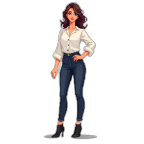
- Classic white blouses that can be paired with vibrant accessories.
- Layering pieces to enhance depth when enacting creative looks.
- Statement footwear to elevate an ensemble’s character.
Key Pieces for Every Season
Transitioning into the seasonal cadence, consider basic essentials that work throughout the year:
- Spring: Light scarves or shawls to add texture to layered looks.
- Summer: Breezy dresses adorned with playful prints for bursts of inspiration.
- Autumn: Cardigans and vests to embody a warm tone while allowing space for innovative makeup designs.
- Winter: Well-crafted outerwear that retains elegance while protecting against harsh climates.
While current designs flash like fireworks on the fashion scene, the true spirit of pretend makeup thrives in the embrace of imagination, a love letter to who we are and who we wish to become.
For further insights on the topic of self-expression through makeup and garments, you may explore resources like Encyclopedia Britannica and Wikipedia to understand historical contexts and cultural impacts.
Understanding Pretend Makeup
In today’s fast-paced world, where identity and self-expression are constantly evolving, understanding pretend makeup has become more crucial than ever. It provides insight into not just personal creativity but also broader cultural narratives and psychological dimensions. This journey through pretend makeup invites us to appreciate how makeup has transitioned from mere childhood play into a significant aspect of adult life, where it plays a role in various artistic expressions.
One primary aspect of pretend makeup is its unique ability to allow individuals to explore different facets of themselves. Many see it as a means to tap into their creative instincts, where imagination knows no bounds. By using pretend makeup, people hone their skills not just in artistry but also in self-exploration. The empowerment that comes from dressing up in various personas is a powerful experience, often leading to increased confidence. Therefore, engaging with this topic is vital as it highlights the flexibility of identity.
Definition and Overview
Pretend makeup can be defined as the application of cosmetic products in a playful or imaginative manner, often not meant for everyday appearance. It is commonly associated with childhood games, where kids mimic their parents or characters from their favorite shows. However, this practice can just as easily expand into adult lives, where it serves purpose in both the arts and personal expression as well.
Historical Context
The history of pretend makeup reveals a rich tapestry of human expression, burgeoning from simple childhood games to profound cultural practices. Examining this evolution involves understanding its origins, usage, and the artistic development involved.
Origins in Childhood Play
The origins of pretend makeup lie firmly rooted in childhood play. Kids often engage in imaginative scenarios where they mimic adults and enact weddings, parties, and other life events. The notion of pretending to apply makeup allows children to walk in someone else’s shoes, transporting them beyond their immediate realities. This characteristic nurtures creativity, forming the cornerstone of imaginative play. It provides a beneficial outlet for children, teaching them about roles, social functions, and personal grooming habits in a playful environment.
The transformative experience of playing with makeup allows for freedom and exploration of one’s personality. However, while it encourages creativity, it can also lead to certain vulnerabilities. Children might feel pressured to consistently present themselves in accordance with beauty standards, which can influence perceptions about self-worth from a young age.
Evolution in Adult Usage
As children grow up, the same playful aspects of pretend makeup can evolve into a tool for artistic expression in adulthood. This shift might find its roots in theatrical performances or avant-garde fashion, where makeup becomes a vehicle for storytelling. The fascination persists, transforming into adult roles where makeup is employed as a means of delivery—like in performances, cosplay, and even everyday life.
This evolution is characterized by its popularity in various forms, such as Halloween costume makeup or intricate designs seen on social media platforms. Adult usage of pretend makeup serves as a beneficial avenue for expressing identity and creativity, allowing individuals to resonate with their moods, fantasies, or even traits that diverge from their usual selves.
Nevertheless, it also presents challenges. The thin line between art and everyday expectations can blur, leading some to face scrutiny about their choices. However, the positive effects arguably outweigh the negatives, revealing how adult usage of pretend makeup can elevate one’s confidence and creative vision in daily interactions.
"Makeup is not about hiding oneself; it’s about revealing all the different dimensions of who we can be."
In summary, understanding the complexities of pretend makeup enriches our comprehension of identity and expression, guiding both children and adults through their artistic pursuits.
Psychological Dimensions of Pretend Makeup
The realm of pretend makeup extends beyond mere aesthetics; it opens a pathway into the mind. Examining the psychological dimensions provides valuable insights into the artistic process, emotional health, and social interactions facilitated by this playful expression. Understanding these aspects is pivotal as it lays bare the connections between our imaginative performances and their potential implications on personal and interpersonal levels.
Creativity and Self-Expression
Role of Imagination
Imagination acts as a wellspring for creativity, giving life to ideas that succinctly embody feelings, dreams, and narratives. It is the engine that drives the application of pretend makeup, allowing individuals to concoct personas and stories. Through this imaginative lens, users step away from reality, becoming anyone or anything. This escape contributes significantly to emotional well-being; it offers a break from the mundane and a chance to explore various sides of the self.
A striking characteristic of this role is its ability to foster innovation. By experimenting with bold colors or unusual designs, individuals push the envelope of traditional beauty standards. The unique feature of embracing imagination within pretend makeup lies in its accessibility. Unlike classic artistic mediums which may demand advanced skill or expensive materials, anyone can engage with simple tools to generate impactful results.
While the advantages are numerous—such as fostering emotional relief and expanding creativity—there can be a downside in terms of reliance on fantasy for escapism. It's essential to strike a balance between playful exploration and grounded reality.
Impact on Identity Formation
Identity formation is a complex process, finely woven through experiences, reflections, and societal input. Pretend makeup offers a distinctive avenue to explore and express one’s identity. Users can shift between multiple personas, experimenting with aspects of themselves they might not express in daily life. This exploration is particularly beneficial for those navigating transitional phases—adolescents, for example, who are sculpting their identities can find clarity through representation in makeup.
The key characteristic here is that pretend makeup can amplify personal identity in multiple ways. It captures elements like cultural influences, emotional states, or self-perception while allowing users to challenge social norms concerning appearance. The dynamic feature of this practice means individuals are able to showcase self-confidence while subtly confronting societal constraints.
However, reliance on the external portrayal can lead to discrepancies between self-image and societal expectations. The journey of identity formation, while illuminating, may also reveal pressures that accompany societal standards, necessitating thoughtful navigation.
Therapeutic Uses
Art Therapy Applications
In recent years, art therapy has gained traction as a meaningful method for emotional healing. This therapeutic approach incorporates various forms of self-expression including pretend makeup, which has been shown to facilitate the exploration of emotions and facilitate healing. The therapeutic value lies in its ability to manifest internal struggles or aspirations externally through artful application.
What makes this aspect particularly important for our discussion is the maturity and evolution of art therapy practices. By integrating makeup as a form of creative expression in therapy, practitioners widen the scope of available tools for emotional exploration. This innovation is beneficial as it removes traditional barriers to art engagement and invites a wider demographic for whom makeup holds significance.
Nevertheless, one must approach this nuanced tool with caution. While empowering, the context in which pretend makeup is utilized within therapy should be carefully curated, as misinterpretation of intent can arise.
Confidence Building for Individuals
Introducting pretend makeup as a confidence-building exercise can have profound effects. When individuals adorn themselves with makeup creations, they often step into a more assured version of themselves. This form of temporary transformation serves as a visual metaphor for internal growth, promoting self-acceptance and enhancing body image.
Confidence building through pretend makeup hinges on its inherent playfulness. It invites users to communicate with their bodies creatively, reshaping their outlook on self-worth in the process. The unique feature here is the immediate impact—how a pop of color or a daring design can spark a shift in self-perception. This isn’t merely about aesthetic appeal; it’s about carving out a more resilient narrative of self.
Yet it is imprtant to remain mindful. The relationship between external enhancements and internal confidence can sometimes create dependencies. Ensuring that confidence is rooted in self-awareness rather than solely in appearance is crucial.
In summation, the psychological dimensions of pretend makeup intertwine significantly with aspects of creativity, self-worth, and identity. They reveal not just a playful surface activity but a deep-seated, multifaceted conduit for personal growth and introspection.
Cultural Perspectives on Makeup in Fantasy
Makeup, often associated with beauty and personal expression, holds diverse meanings across various cultures, especially when viewed through the lens of fantasy. Understanding these cultural perspectives adds layers to the discussion of pretend makeup, revealing not only its aesthetic value but also its social and psychological relevance. Incorporating makeup as part of cultural narratives highlights the shared human experiences of creativity and transformation.
Makeup in Different Cultures
Ritualistic Uses
Ritualistic uses of makeup span centuries and continents, deeply rooted in the traditions of many societies. From tribal communities to formal ceremonies, makeup plays a pivotal role. For instance, in some African cultures, intricate face paintings signify rites of passage or ethnic identity. Here, the key characteristic of ritualistic makeup is its purpose beyond mere appearance; it conveys stories, beliefs, and community ties. This is beneficial when discussing pretend makeup as it illustrates how makeup serves a foundation for exploration and identity.
The unique feature of such ritualistic applications lies in their ability to transform not only the wearer but also the observers. When someone adorns themselves with these markings, they step into a narrative that is communal, asserting their place within a cultural framework. However, one might also consider that not all modern interpretations remain intact, sometimes glossing over the significance that these practices hold.
Cultural Celebrations
Cultural celebrations are another rich aspect where makeup takes center stage. Numerous festivities integrate vibrant make-up styles, be it the elaborate costumes of Diwali in India or the colorful face paint during Carnival in Brazil. The key characteristic of these celebrations is the emphasis on spectacle and expression, engaging both participants and observers. Here, pretend makeup contributes by allowing individuals to express not just personal creativity, but their cultural heritage as well.
In these celebrations, the unique feature is the collective experience it creates. People come together, dressed in shared themes, echoing their history and traditions through applied artistry. But like any form of expression, there can be pitfalls; one must navigate the thin line between honoring culture and appropriating it. Such nuances are vital for understanding the broader implications of pretend makeup in cultural contexts.
Influence of Media and Pop Culture
Film and Television Impact
The influence of film and television introduces a whole new dimension to how makeup is perceived in fantasy settings. The cinematic world is notorious for creating iconic looks that become trendsetters, sparking waves of imitation and admiration across audiences. This impact means that makeup isn’t merely a cosmetic addition on screen; it acts as a tool for storytelling and character development. The notable character designs seen in franchises often push boundaries, inspiring fans to explore similar styles in their own lives, enriching the pretend makeup scene.
What stands out here is the level of creativity that filmmakers apply to these designs, rivalling even the most skilled artists. However, while this aspect is beneficial in showcasing the versatility of makeup, it also raises expectations among viewers on what can be achieved off-screen, sometimes leading to frustration when reality doesn’t match the glamour portrayed.
Social Media Trends
Social media, particularly platforms like Instagram and TikTok, have dramatically changed the landscape of makeup trends. Thanks to the democratization of artistry, anyone can showcase their version of fantastical makeup looks, engaging a wider audience than traditional media could have ever anticipated. The key characteristic of this trend is its participatory nature, allowing users to develop their creativity without barriers.
However, this phenomenon comes with unique features — often resulting in oversaturation, where trends shift almost overnight, sometimes leaving people feeling pressured to constantly innovate. Additionally, the curated nature of social media can skew perceptions of realism in make-up applications, as filters and editing techniques often obscure the behind-the-scenes process.
In essence, while social media has provided a playground for creative expression, it becomes apparent that reality can sometimes be lost behind the polished veneer of online personas. Understanding these dynamics is crucial for anyone interested in applying pretend makeup in a meaningful way.
Practical Techniques for Pretend Makeup
Understanding the practical techniques involved in pretend makeup is essential to fully appreciate its artistry and expressiveness. These techniques not only enhance creativity but also allow individuals to explore various facets of their personality. As pretend makeup gains popularity in both casual and professional settings, knowing the right tools and methods makes the experience more enjoyable and impactful. The following sections delve into important aspects and their implications in mastering the craft.
Essential Tools and Products
Types of Makeup for Pretend Use
When discussing types of makeup used for pretend purposes, it’s crucial to recognize the diverse array of products available today. Typically, pretend makeup can range from vibrant face paints to standard cosmetic products modified for more theatrical effects. The significant characteristic of these products lies in their suitability for various skin types while also boasting rich pigmentation to achieve bold looks.
For instance, water-based face paints are popular for their ease of removal and vibrant colors, making them a go-to choice for festivals or costume parties. They’re often non-toxic, thus friendly for both children and adults. However, the drawback lies in their durability; they may not last through a long day at an event. On the other hand, cream or gel-based paints provide a more robust finish, suitable for performances or photoshoots, but their removal often requires more effort.
Sourcing Affordable Options
Affordability is a key consideration when exploring sourcing affordable options for pretend makeup. Many enthusiasts and professionals might feel daunted by the price tags attached to high-end makeup brands. However, discovering budget-friendly alternatives doesn't mean sacrificing quality. Finding local stores or online marketplaces that offer secondary brands can yield surprising finds.
One could consider looking into brands like NYX or e.l.f. as they often provide good quality at competitive prices. Additionally, community events, beauty swap shops, and discount stores can be treasure troves for discovering hidden gems. However, one disadvantage is that affordable options may not always have the same longevity or pigmentation as more expensive counterparts, but with the right application techniques, one can achieve stunning results without breaking the bank.
Application Techniques
Layering Techniques
Mastering layering techniques is vital for anyone looking to elevate their pretend makeup game. This method involves applying multiple layers of makeup products to achieve depth and complexity in looks. The beauty of layering lies in its versatility; it allows experimenting with colors and textures to create unique styles.
For instance, applying a light base and then layering darker shades over it can effectively create a sense of dimension, making a character's features more pronounced. The unique feature of this technique is that it can be combined with various styles such as ombre or gradient effects, appealing to those who are interested in fantasy or role-play makeup. However, it requires patience and practice to blend seamlessly. If done incorrectly, it could lead to a cakey appearance or uneven tones, but with practice, it always pays off.
Creating Special Effects
The realm of creating special effects in pretend makeup opens a whole new world of possibilities. Techniques such as applying latex or gelatin can enable one to mimic scars, burns, or even fantastical creatures seamlessly. This aspect is significant, especially in theatrical settings, where realism can make or break the performance.
For instance, using proper application and removal techniques sets this skill apart from basic makeup skills — it requires a bit more expertise and an understanding of skin safety. However, many makeup enthusiasts find the artistry in crafting a character's look through special effects both rewarding and empowering. The downside is that it can demand specialized products and may require practice for those not familiar with advanced techniques, but the end results are often breathtaking.
"Special effects makeup can transport us into a completely different world; it’s not just makeup, it’s storytelling through artistry."
Integrating Pretend Makeup into Fashion
The integration of pretend makeup within the realm of fashion is more than just an artistic endeavor; it is an avenue for expression that challenges norms, blurs boundaries between reality and imagination, and encourages individuals to engage with fashion on a deeper level. Whether it’s the dramatic palettes showcased in runways or the playful accents found in street style, pretend makeup serves as a versatile tool that invites creativity and personalization. This section will explore how pretend makeup shapes fashion narratives, enriches presentations, and infuses everyday style with whimsy and originality.
Pretend Makeup in Fashion Shows
Artistic Expression of Designers
In fashion shows, designers often leverage pretend makeup as a tool to convey their artistic vision. It becomes a critical element of storytelling, conveying themes that resonate with their collections. The use of exaggerated colors, intricate designs, or unconventional applications enhance the garments on display, forging a visual language that communicates deeper messages.
One key characteristic of this practice is its ability to provoke thought. Designers might use makeup to reflect societal issues or to explore personal narratives. It’s the splash of neon or the bold strokes of face paint that can instantly transport the audience into the designer's conceptual world, making the viewer rethink their perceptions of fashion and beauty. Moreover, this choice resonates well with the audience seeking authenticity and depth in artistry.
The unique feature of using pretend makeup in fashion shows is its transformative quality. Models can become living canvases, their faces a reflection of the overall theme. However, this method does come with its challenges; not all guests or participants may understand or appreciate the abstract representations intended. It requires a level of taste and an appreciation for avant-garde expressions that may not align with mainstream views.
Theatrical Elements in Presentations
Theatrical elements incorporated through pretend makeup add dimensions to fashion presentations, creating a captivating spectacle that transcends traditional runway expectations. This approach elevates shows to performances, blending fashion with artistry. The grand gestures, exaggerated features, and avant-garde styles transport viewers, immersing them in a world of imagination.
A hallmark of this theatrical technique is its collaborative nature. It often involves stylists, makeup artists, and designers working in harmony to create cohesive narratives. Pretend makeup's versatility allows for bold interpretations of characters or themes, resulting in a multifaceted experience rather than a straightforward showcase of clothing. This multidimensional approach can enrich the appeal of fashion shows, allowing attendees to feel they are part of an extraordinary experience rather than mere spectators.
Yet, while theatrical presentations can mesmerize audiences, they require careful planning and execution. Miscommunication between creative teams might dilute the intended experience, leading to confusion rather than clarity. Striking the right balance between fantasy and wearable fashion is crucial, lest the artistic expression overshadow the garments themselves.
Street Style and Everyday Use
Subverting Expectations in Daily Fashion
In everyday wear, integrating pretend makeup adds a refreshing twist to street style by subverting common expectations. It challenges the notion that makeup should only enhance or beautify. Instead, individuals are now employing it to express their identity, humor, or even political statements. This creative rebellion against traditional standards not only reflects personality but also nurtures authenticity in daily fashion choices.
A key characteristic of this approach is the freedom it offers wearers. Individuals can choose to wear bold eye shadows, playful patterns, or unique contours that don’t follow conventional guidelines. It goes beyond a mere aesthetic; it opens doors to conversations about self-identity and societal norms. This boldness can inspire others to partake in their forms of expression, collectively fostering an environment of creativity and acceptance.
The defining feature of subverting expectations in daily fashion is its audacity. As society moves toward greater inclusivity and acceptance, this practice encourages individuals to celebrate individuality in a world often focused on conformity. Yet, embracing this spirit can be daunting. Those who wish to experiment may face criticism or judgement, reflecting societal pressures that push back against nonconformity.
Incorporating Playfulness into Personal Style
Incorporating playfulness into personal style through pretend makeup enhances everyday fashion by allowing for flexibility and fun. It allows individuals to express their day-to-day moods through colors and styles that resonate with their feelings. This transformative process makes fashion more engaging and dynamic, as it no longer has to stick to the mundane; instead, it invites a sense of adventure.
A defining feature here is the element of experimentation. People can easily switch from a minimalist look to something wildly expressive without the need for a complete overhaul of their wardrobe. This playful incorporation encourages individuals to test limits and redefine success in their personal style.
However, while this freedom invites creativity, it can also lead to an unclear identity as makeup choices become influenced by fleeting trends rather than personal desire. Keeping this balance is vital for those seeking to maintain authenticity while expressing their personality.
“Fashion is about more than just clothes; it’s about how we choose to present ourselves to the world—pretend makeup invites us to explore this presentation in ways limited only by our imagination.”
In sum, the integration of pretend makeup into fashion serves as a potent catalyst for creative expression, whether on the runway or in street style. It explores the various dimensions of identity and invites individuals to take part in the art of self-presentation, making fashion a true canvas for personal artistry.
Future Directions in Pretend Makeup
The realm of pretend makeup is constantly evolving. This section explores the future directions of pretend makeup and its significance in shaping personal expression, social interactions, and even the beauty industry itself. As society becomes increasingly open to varied forms of self-expression, the importance of pretend makeup cannot be understated. It serves as a bridge—linking creativity and individuality to broader cultural shifts.
Trends in the Industry
Innovations in Product Development
Product development is at the forefront of this transformation. For instance, brands are now formulating makeup that is not just vivid in color but also skin-friendly. Innovations like water-based pigments and hypoallergenic formulas allow users to experiment without the fear of irritation. These advancements contribute significantly to the utility of pretend makeup, enabling a wider audience to partake in this form of art.
One key characteristic of these innovations is versatility. Makeup designed for pretend use today often doubles as a regular cosmetic. As such, individuals have a greater range and freedom to express themselves, whether they are getting ready for a themed event or simply exploring their imagined personas in everyday settings. However, a notable disadvantage can be the cost associated with such high-quality materials, which may put them out of reach for some aspiring artists.
Evolving Consumer Preferences
Evolving consumer preferences further propel the journey of pretend makeup into new realms. A shift towards inclusivity and customization marks this trend. Customers are no longer content with one-size-fits-all solutions. Many seek brands that allow personalized palettes and diverse color options, especially catering to varying skin tones and personal styles. This demand fuels the industry to think outside the box and create unique offerings.
The remarkable feature of this trend is its focus on the user’s narrative. Consumers are becoming increasingly concerned about how products align with their identities and values. As a result, brands that put the spotlight on storytelling and personal connections tend to gain more traction. While this shift towards personalization is popular, it can sometimes sacrifice convenience, as a wider range of choices may overwhelm some customers, leading them to hesitate in their purchases.
Sustainability and Ethical Considerations
Eco-Friendly Materials
As the environment looms large on the global stage, there’s a growing emphasis on eco-friendly materials in the realm of pretend makeup. Brands are starting to seek sustainable resources, such as biodegradable glitter and organic, plant-based pigments. By incorporating these materials, users can not only enjoy creative expression but also contribute positively to the environment.
The key characteristic of eco-friendly materials is their low environmental footprint. Choosing products that prioritize sustainability is not just beneficial for the user’s conscience; it also sets a precedent for the industry. The downside, however, may be higher production costs, possibly leading to more expensive products which can discourage widespread use.
Implications for Future Generations
Finally, the implications for future generations are profound if the trends in pretend makeup continue in the right direction. Children growing up in a world where creativity and self-expression are celebrated will have a greater chance of developing strong identities and a broad emotional range. Teaching new generations about the importance of makeup in their journeys of self-expression can create a culture that values authenticity.
Additionally, as the education focuses on the strategic use of makeup, embracing play can foster not only self-confidence but also resilience in dealing with social pressures. Nevertheless, making sure that this emphasis isn’t just a passing trend will be crucial. Real change takes sustained efforts, and educators and communities need to advocate for these ideals across socio-economic barriers.
Epilogue: The Enduring Appeal of Pretend Makeup
The fascination with pretend makeup underscores a larger conversation about creativity, identity, and play. This article has ventured into myriad dimensions of pretend makeup, revealing that its significance goes well beyond mere beauty routines. In a culture that often places a premium on aesthetic norms, the practice of engaging with makeup in a pretend context fosters a unique space for exploration and self-expression.
The Importance of Making Space for Play
Creating room for play is crucial, especially in an adult-oriented world that tends to prioritize productivity over creativity. Pretend makeup enables individuals, whether children or adults, to navigate their identities and express facets of themselves that may not emerge in day-to-day life. When someone applies makeup in a playful manner, they aren’t simply getting dolled up; they are diving into their imagination, conjuring up personas, or reliving cherished memories from childhood. This act is not frivolous; it is an essential part of human experience.
- Benefits of Making Space for Play:
- Boosts creativity: Engaging in pretend scenarios allows one's creativity to flow freely without the constraints of everyday expectations.
- Enhances emotional well-being: Playful experiences can alleviate stress, providing much-needed relaxation and an escape from the monotony of adult life.
- Strengthens interpersonal bonds: Whether it’s a shared moment with friends or an intimate adventure in makeup alone, these experiences forge connections that enrich our lives.
In essence, making space for play is vital for fostering a well-rounded identity. It encourages individuals to experiment, foster their unique style, and embark on creative endeavors. This not only benefits personal growth but also enhances community spirit.
Reflection on Personal Journeys
As we draw this journey to a close, it’s essential to reflect on how pretend makeup shapes our personal narratives. Everyone has a tale to tell — from a child painting their face with crayons to an adult donning bold colors for a themed party. Each brushstroke tells a story, revealing layers of aspiration, fantasy, and, quite potentially, the deeper aspects of their psyche.
This reflection isn’t just about the makeup itself but rather what it represents: the freedom to explore different aspects of self. The transformative power of color and form fosters an environment where individuals can confront insecurities and express desires they might keep hidden under normal circumstances.
"Makeup in a pretend context bridges the gap between who we are and who we wish to be."
From the ritualistic application to the final reveal in the mirror, each experience contributes to one's personal journey. These moments become milestones — markers of growth and change that illustrate how our perceptions of ourselves can evolve over time.
Final Thoughts
Embracing the enduring charm of pretend makeup enriches our understanding of both art and human expression. It is a celebration of the creativity that resides within each individual, unearthing layers of identity that can otherwise remain obscured. As the makeup world continues to push boundaries, the simple act of play reminds us that expression, creativity, and a bit of color are just as worthy of pursuit as any conventional form of beauty. Returning to these roots of imaginative play may prove essential in navigating our increasingly complex identities in this fast-paced world.