
Exploring Unfinished Wood Circles in Design and Fashion
Intro
Unfinished wood circles may seem like mere craft supplies at first glance, but their potential in the world of fashion and design is nothing short of remarkable. This seemingly simple material brings a rustic charm that resonates with both minimalist aesthetics and elaborate creativity. As designers and artists push the boundaries of traditional materials, unfinished wood invites a unique blend of the natural world into modern style. Its versatility stretches across various domains, providing not only function but also a striking visual appeal.
The conversation around sustainable practices has gained momentum recently, prompting designers to seek materials that align with eco-conscious values. Unfinished wood circles naturally fit this narrative. They carry the essence of craftsmanship, showcasing the beauty of the unrefined, while allowing for imaginative, one-of-a-kind applications. In this exploration, we will navigate the associated style trends, wardrobe essentials, and practical implementations. By weaving these elements together, we can fully appreciate the symbiotic relationship between fashion and the organic allure of wood.
Prologue to Unfinished Wood Circles
The realm of fashion and design continually seeks new avenues to enhance creativity and sustainability. Unfinished wood circles serve as an intriguing component in this pursuit, offering unique aesthetic value and functionality. By harnessing the natural beauty of wood, designers can bring a touch of nature to their work, steering away from the fast-fashion mentality where disposability reigns supreme.
These wooden circles are not merely raw materials; they represent a bridge between the organic world and the crafted human experience. Through careful manipulation and integration into various designs, they can transform ordinary pieces into something extraordinary. In the hands of a skilled artisan, even a simple circle becomes an emblem of creativity, making it essential to understand their role in the future of fashion.
Understanding unfinished wood circles is like peeling back layers of a rich tale. There’s something raw yet sophisticated about them that captivates both designers and consumers. It’s crucial to explore their defining characteristics and historical context, as both provide insights into their versatility and enduring appeal. From accessories to functional design elements, the opportunities these wooden circles provide are ripe for exploration.
As we navigate through this article, keep in mind the potential these wood circles hold within the craft. Their versatility speaks not only to aesthetic but also to ecological responsibility, demonstrating how fashion can evolve without sacrificing the planet's resources. The journey into the heart of unfinished wood circles leads us to inspire creativity and embrace craftsmanship, making it relevant to the fashion enthusiasts, stylists, and designers eager to innovate.
"It is the unrefined which invites the observer to engage more deeply with the creation, fostering a connection often lost in the polished perfection of modern design."
In summary, unfinished wood circles offer a unique canvas for creative expression. They blur the line between nature and the man-made, urging us to reflect on how we can incorporate sustainability and artistry into our everyday fashion choices.
Materials and Characteristics
Understanding the materials and characteristics of unfinished wood circles is crucial to appreciating their role in fashion and design. Each aspect of these wooden elements has a ripple effect, influencing aesthetic choices, functionality, and sustainability practices. By examining the types of wood, their textures, and the sustainability aspects, one uncovers the true potential of these versatile pieces in creating lasting impressions in the world of style.
Types of Wood Suitable for Circles
When it comes to unfinished wood circles, not every type of wood fits the bill. Certain species are favored for their appearance, workability, and durability. Among the popular choices are:
- Birch: With its fine grain and light color, birch provides a striking appearance while remaining lightweight. This wood is often used in jewelry and small accessories, allowing intricate designs.
- Maple: Known for its hardness, maple is as tough as nails. Its smooth texture adds a sophisticated touch to fashion pieces, ensuring they withstand the wear and tear of daily use.
- Pine: This is the charming underdog, offering a rustic aesthetic. Pine's knots and unique grain patterns bring warmth to designs, making each piece distinct.
- Cedar: More than just a pretty face, cedar is incredibly aromatic and has natural resistance to decay. This quality is especially appealing in accessories that may endure the elements.
Selecting the right type of wood is about finding balance – aesthetics versus durability. Using specific wood types can elevate the overall design, playing to their respective strengths while achieving desired looks.
Texture and Aesthetic Qualities
The texture of unfinished wood circles is often what captivates designers and consumers alike. Unrefined wood exudes a sense of organic beauty, inviting touch and exploration.
- Graining: The line patterns on wood can either be subtle or pronounced. Bold grains can become a focal point, enhancing a piece's visual style. Meanwhile, smoother finishes provide a minimalist look that speaks to modern tastes.
- Natural Imperfections: One of the charms of using unfinished wood is embracing its irregularities. Knots, color variations, and naturally occurring marks tell a story, adding depth to each piece. Those organic blemishes remind us that nature doesn’t conform to perfection, and it can enhance the narrative of a design.
- Finishing Options: While the circles are unfinished to keep their natural beauty, elements like oil or wax treatments can enhance their texture. These finishes can also bring out colors and protect the wood, allowing it to last longer while amplifying its aesthetic appeal.
Such tactile and visual qualities resonate deeply with fashion enthusiasts, allowing pieces to serve as art as much as function.
Sustainability Considerations
In an era where sustainable practices are paramount, the materials used in fashion and design cannot be overlooked. Unfinished wood circles present a unique opportunity to embrace eco-friendly approaches:
- Renewable Resources: Wood, when sourced responsibly, is a renewable resource. Utilizing sustainably harvested wood supports responsible forestry practices, giving new life to aesthetic and functional pieces while caring for the environment.
- Biodegradability: Unlike synthetic materials that can take centuries to decompose, unfinished wood circles break down naturally. This quality positions them as a preferable choice in a world increasingly concerned about waste and environmental impact.
- Support for Local Artisans: Choosing to work with local woodworkers can foster community support and reduce transportation emissions. This consideration ensures that the craftsmanship behind each piece is sustainable, both economically and ecologically.
By employing unfinished wood circles thoughtfully, fashion followers can make eco-conscious choices that prioritize the planet while still celebrating creativity in design.
Choosing the right wood not only influences aesthetics and durability but also reflects a commitment to sustainability in design.
Integration in Fashion Design
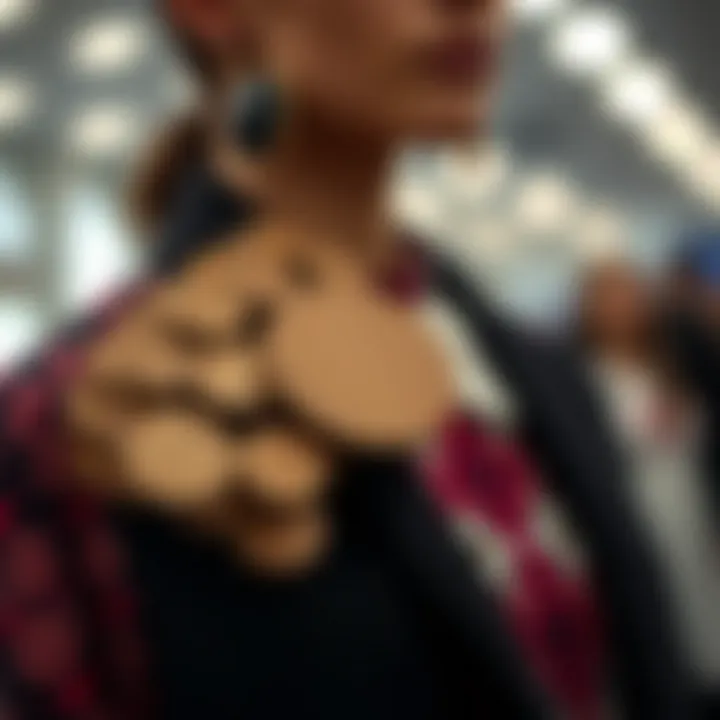
The integration of unfinished wood circles in fashion design emerges as a remarkable convergence of nature and contemporary style. These wooden discs not only serve as a canvas for creativity but also as a medium that challenges the traditional boundaries of fashion accessories. By embracing the organic appeal of wood, designers can infuse their collections with a sense of authenticity and artisanal workmanship.
Choosing to incorporate wood circles in fashion design offers several significant advantages. Firstly, they bring a distinct texture that contrasts brilliantly with more conventional materials like fabric and metal, adding depth to an outfit. The variability in color and grain of the wood itself can create pieces that are truly one-of-a-kind, speaking to the individualistic nature of fashion.
Moreover, the versatility of unfinished wood means it can easily lend itself to a variety of uses – from embellishments in clothing to centerpiece elements in accessories. This adaptability makes it an excellent choice for those looking to innovate while still maintaining an earthy and grounded aesthetic.
Wood circles also encourage sustainable practices in fashion, a growing concern among consumers today. By utilizing pieces that are not only sourced responsibly but also promote reuse and reimagining, designers can appeal to a more environmentally conscious audience, thereby enhancing the overall narrative of their brand.
"Fashion can change the world, and embracing natural materials like wood can lead the way to more sustainable practices in style."
Accessorizing with Wood Circles
Jewelry Design
Jewelry design using unfinished wood circles transcends mere ornamentation; it showcases the synergy between nature and personal expression. The key characteristic of this style involves a raw, unrefined charm that resonates with many individuals seeking authentic accessories. Wood lends itself well to intricate carving, allowing designers to create unique patterns and shapes that capture attention.
The benefits of wood jewelry are multifaceted. Firstly, its lightweight properties make it comfortable to wear throughout the day. Additionally, the possibilities for customization are endless, as artisans can choose specific types of wood—like bamboo or walnut—to suit the personality of the wearer. However, care must be taken to maintain the integrity of wood, as exposure to moisture can affect its appearance.
Belts and Bags
Incorporating wood circles into belts and bags introduces an unexpected element that can redefine accessories. The distinctive look provided by these wooden embellishments is not only a conversation starter but also highlights the creativity involved in such designs. A belt beautifully complemented by wood creates an eye-catching focal point.
Moreover, these accessories often possess a unique feature—a certain robustness that adds to their longevity. They can enhance practical style without compromising durability. However, designers must be cautious about the weight and balance of belts to ensure they remain functional yet stylish, playing a delicate balancing act between design and practicality.
Shoe Embellishments
The inclusion of wood circles as shoe embellishments is becoming increasingly popular in footwear design. This trend adds not just aesthetic value but also a layer of character to shoes, transforming everyday wear into something memorable. One significant advantage of wood accents is their ability to adapt to a variety of shoe styles, from casual to formal.
The simplicity of attaching wood to different types of footwear allows designers to express a variety of styles while maintaining a coherent theme. However, because shoes are subjected to significant wear and tear, it is crucial to consider how well these wooden elements will hold up over time—a factor that can be both a challenge and an opportunity for innovation in design.
Garment Construction Techniques
Embellishments on Fabrics
Using unfinished wood circles as embellishments on fabrics can breathe life into otherwise standard garments. This approach effectively melds structure with creativity, making mundane designs stand out. The key trait here is the juxtaposition of hard wood against soft fabric, creating a visual contrast that intrigues the onlooker.
Such a technique offers numerous benefits, primarily in the form of personalization. Designers can play with the size and placement of wood elements to create tailored looks that reflect consumer desires. Some downsides include considerations around comfort and flexibility, as added weight might change how a fabric drapes on the body.
Incorporating Structural Elements
Integrating wood circles as structural elements in garment construction is another innovative approach. This method elevates pieces from simple fashion items to architectural statements. For instance, wooden elements can strengthen the form of a garment, providing support where needed without relying solely on traditional materials.
The uniqueness lies in the ability to creatively articulate prints, shapes, and functions within a garment. However, careful analysis needs to be undertaken regarding the interaction between fabric and wood, to avoid any discomfort when worn.
In summary, the integration of wood circles into fashion design is pioneering—a blend of art, function, and sustainability that caters to the modern, stylistic conscientious consumer. As designers continue to explore and experiment with these materials, the line between nature and fashion blurs, fostering innovative designs that push the envelope.
Artistic Applications
Artistic applications of unfinished wood circles illuminate not just their aesthetic versatility, but also their role in the broader landscape of fashion and design. As more artists and designers navigate the world of sustainable materials, these wood circles rise in prominence due to their organic charm and unique appeal. The way these circles can be reshaped, embellished, or layered into various forms encourages a creative exploration that resonates with today's artistic values which prioritize authenticity and craftsmanship. The journey from raw material to stunning wearable art or statement pieces is what makes them so intriguing.
Creating Art with Wood Circles
Creating art with unfinished wood circles allows designers to tap into a wellspring of creativity. The innate simplicity of the wood offers an inviting canvas for various artistic interpretations. Here are a few key aspects to consider when engaging with this medium:
- Natural Inspiration: The texture and grain of the wood provide inspiration for color palettes and designs that echo nature's beauty.
- Mixed Media Opportunities: Many artists incorporate painting, engraving, or even textile elements into wood circles, producing multidimensional works that challenge conventional boundaries of art.
- Sustainability Statement: Using unfinished wood circles reinforces a commitment to sustainability in art. This can attract an audience that values eco-friendly designs, giving the work added dimension and relevance.
Wood circles have previously been used in art installations, community projects, and individual pieces alike. For instance, an artist might transform simple wood circles into personalized wall decor, layering them with paints or textiles to create a vibrant focal point in a space. Each piece tells a story, adding depth and meaning that captures viewer's attention while inviting them to explore further.
Collaboration with Textile Artists
Collaboration with textile artists opens new avenues for innovation, blending the worlds of woodwork and fabric design. This symbiotic relationship can yield unique creations that meld the organic form of wood with the fluidity of textiles. Here are some key considerations in these collaborations:
- Interdisciplinary Connections: By merging different artistic mediums, new ideas sprout. Textile artists can find intriguing ways to integrate wood circles as structural elements in clothing or accessories.
- Innovative Textures: The juxtaposition of the hard texture of wood with soft fabrics creates visually arresting contrasts. This can lead to inventive designs that catch the eye and evoke a tactile response.
- Fashion Statements: Iconic brands have started to embrace this synergy, producing collections that incorporate wooden elements into their textile-heavy pieces, resulting in stunning offerings that stand out in the market.
"The blend of natural elements like wood and textile arts not only pushes boundaries but also redefines fashion as a dialogue between different artistic expressions."
By working together, artists push each other's boundaries, leading to explorations that might not be achievable alone. Such collaborations draw on the strengths of both mediums, ultimately enriching the narratives each piece conveys.

After all, the essence of art lies not just in the final product but in the stories and relationships forged throughout the creative process. Unfinished wood circles offer a fascinating entry point into these artistic exchanges, making them both an essential tool and symbol in the journey toward innovative fashion and design.
Practical Uses in Everyday Fashion
Examining the practical uses of unfinished wood circles in everyday fashion reveals their subtle yet impactful role. These elements can be integrated into various styles, shifting the focus from mere aesthetic appeal to functionality and adaptability. Whether it's through accessories or clothing features, unfinished wood circles enhance versatility, allowing consumers to personalize their fashion choices while being eco-conscious. They stand out as options that not only complement outfits but also tell a story about sustainability and creativity.
Functional Accessories
Decorative Clips and Fasteners
For many, decorative clips and fasteners serve as more than just functional items; they are an essential fashion statement. These unfinished wood applications can be found in hair accessories and clothing, providing both a unique look and practicality. A well-crafted wood clip can give a touch of nature to a sleek hairstyle or can serve as a focal point on a bag or belt. Their natural texture offers a gentler contrast against common materials like leather or metal, making them a popular choice among those looking to add a rustic flair.
Notably, one of the defining characteristics of these clips is their lightweight nature. This makes them comfortable for everyday wear without causing strain. Moreover, crafting techniques often emphasize the wood's inherent grain and knots, giving each piece a unique personality. However, they can be prone to wear from frequent use, necessitating careful handling and periodic maintenance. While their charm is undeniable, it is wise to keep in mind that exposure to moisture could also compromise their integrity.
Functional Clothing Features
Incorporating wood circles into functional clothing features is a clever twist in fashion design. Elements such as buttons or accents can stem from unfinished wood, bringing a sense of artistry to practical applications. For instance, a coat could benefit from sturdy wood buttons that stand out against the fabric, showing off craftsmanship while serving a practical purpose.
This approach highlights the sleek lines of modern fashion while integrating natural materials. Furthermore, wood features can bring a certain warmth to garments, softening structured designs. However, one must consider the balance between functionality and fashion. Heavy or improperly secured wood could lead to issues in comfort or even functionality, so designers must ensure that these elements are attached securely.
Versatility in Seasonal Fashion
Wearable Art for Warm Weather
As the temperature rises, unfinished wood circles find their place in warm-weather fashion through wearable art. Clothing items can be adorned with wooden accents that add a fresh contrast to lightweight fabrics. For example, a simple sundress accented with a wooden belt serves as a striking focal point, transforming a casual outfit into something more artful. This approach encourages individuals to express their personality through thoughtful design, leading to pieces that not only look good but also feel unique.
The distinctiveness of wooden pieces can also resonate well with open-toed sandals or light summer bags. However, while they offer plenty of style, it’s important to be cautious about their weight, particularly when considering larger designs. Too much bulk can overshadow the daintiness typically associated with summer wear, leading to an unbalanced look.
Layering Techniques for Cold Weather
When it comes to colder months, unfinished wood circles become instrumental in layering techniques. They can be integrated into thicker garments, acting as accents on scarves or as clasps for shawls and ponchos. Such applications not only enhance the design but also provide an opportunity to showcase craftsmanship even in winter attire.
Distinctive wooden details can bridge the gap between functionality and fashion. However, designers should be careful to select wood types that won't be compromised by temperature changes and moisture. This its crucial, as wood can warp in extreme weather, thus impacting the longevity of the fashion item. Achieving the right balance here is paramount for success in integrating these elements into cold-weather wardrobes.
Using unfinished wood circles in practical applications can elevate ordinary fashion pieces while keeping the connection to nature alive. It’s a unique blend of artistry and usefulness that resonates with today’s fashion-forward thinkers.
Care and Maintenance of Wood Circles
Wood circles bring a natural elegance to both fashion and design. However, to maintain their beauty and functionality, understanding how to care for them is essential. Proper maintenance not only prolongs their lifespan but also ensures that the aesthetic appeal remains intact. Neglecting care for these pieces could lead to unsightly damage that detracts from their charm. This section sheds light on the importance of cleaning, preserving, and avoiding damage to wood circles.
Cleaning and Preservation Techniques
To keep unfinished wood circles looking their best, regular cleaning and preservation are key. Here are some effective methods for maintaining the integrity of wood:
- Dust Regularly: Dust these pieces using a soft cloth to enhance their natural beauty and remove any buildup that can cause scratches over time. Refrain from using harsh chemicals as they can harm the wood's surface.
- Natural Cleaners: When deeper cleaning is required, a mixture of equal parts vinegar and water can work wonders. This gentle solution helps to remove stubborn marks without damaging the finish. Apply using a soft sponge or cloth, and always dry immediately to prevent water damage.
- Oil Treatment: Periodic application of mineral oil can add to the wood's luster, creating a protective barrier that resists moisture. Wipe on a thin layer of oil and buff it until the wood appears polished.
- Avoid Excessive Moisture: Exposure to excessive humidity or water can lead to warping or discoloration. It's wise to keep these delicate pieces away from damp areas in the home.
Avoiding Damage and Wear
Caring for unfinished wood circles includes knowing how to protect them from everyday hazards. The following tips can help sustain their beauty and functionality:
- Mind the Heat: Keep wood circles away from direct heat sources, such as radiators or direct sunlight. Heat can cause the wood to crack or change color.
- Mind your Hands: If wearing jewelry that interacts with the wood, ensure it's free of sharp edges or embellishments that could scratch or nick the surface.
- Storage Considerations: When not in use, store wood pieces in a cool, dry place. Using cloth bags or padded storage keeps them safe from dust and physical damage.
- Regular Inspections: Perform routine checks for any signs of wear, like cracks or splinters. Addressing these issues early can prevent larger problems down the line.
"An ounce of prevention is worth a pound of cure."
By understanding and implementing these care techniques, you can enjoy the natural beauty of unfinished wood circles for many years, ensuring they continue to play a significant role in your fashion or design endeavors.
Cultural Significance
The cultural significance of unfinished wood circles reflects a profound connection to history, artistry, and identity. In this article, we delve into how these organic shapes resonate across various cultures, serving as symbols of tradition and modernity alike. Far beyond mere decorative items, unfinished wood circles carry meaning that can articulate a community's values, craftsmanship, and aesthetic sensibilities.


Symbolism in Different Cultures
Unfinished wood circles have been utilized in many cultures, often representing concepts like unity, growth, and cyclical nature. For instance, in Indigenous cultures of North America, circles symbolize the cyclical nature of life. The circle is a powerful metaphor for the interconnectedness of all beings and ecosystems, stressing the importance of harmony and balance.
In Japan, wood circles are incorporated into art forms such as Mizuhiki, the traditional craft of knotting colored paper cords. Here, every twist and turn of the circle signifies wishes of health and happiness, connecting families through generations. The intricate designs reflect not only skill but also a deep respect for nature and craftsmanship.
Additionally, many Nordic traditions emphasize the natural aesthetics of wood, where circles often symbolize the sun or the moon in various myths and are used in ceremonies to honor changing seasons. Other examples include African tribal art, where wood circles are often carved with motifs representing the tribes’ stories and identities. Such practices highlight how these shapes carry cultural narratives through the ages.
Traditional vs. Modern Interpretations
The dialogue between traditional and modern interpretations of unfinished wood circles reveals a shifting landscape in fashion and design. Traditionally, these circles were often handcrafted and utilized for functional purposes—think of wooden plates or jewelry that held cultural meaning. As society progresses, there's a growing trend to reinterpret these elements in contemporary design.
Today, unfinished wood circles are used in innovative fashion pieces ranging from avant-garde jewelry to runway accessories. Designers are embracing these natural materials, often utilizing technology to enhance their visual appeal while keeping a nod to their origins.
- Traditional Interpretations:
- Modern Interpretations:
- Hand-carved items, showcasing artisanal skills
- Use in ceremonies or rituals that honor heritage
- Emphasis on texture and natural beauty
- Integration into high-fashion collections, reflecting sustainability
- Use of advanced techniques like laser-cutting for intricate designs
- Blending with other materials for hybrid pieces that challenge norms
This duality not only enriches our aesthetic landscape but also strengthens our understanding of cultural identities and values. As fashion and design evolve, the unfinished wood circle stands as a testament to how we can honor traditions while innovating new paths forward.
"Wood circles, in their raw form, embody history and progress simultaneously—narratives that weave together the past, present, and future."
Through these lenses, it becomes clear that unfinished wood circles are more than just materials; they are gateways to exploring the rich tapestry of cultures that shape our lives.
Future Trends in Fashion and Design
In the ever-evolving arena of fashion and design, the application of unfinished wood circles is carving out a niche that balances aesthetics with functionality. It’s not simply about what's trending; it’s about weaving sustainability into the very fabric of style. This section unravels the future landscape where wood circles might not just accentuate designs but also represent a conscious choice towards sustainability.
Emerging Styles Involving Wood Circles
As we look to the horizon in fashion, unfinished wood circles are becoming a hallmark of creativity and ingenuity. Designers are experimenting with these organic shapes in various ways. For example, you might see a new kind of statement necklace that combines wood circles with metal and fabric, emphasizing the union of natural and industrial materials. This method acts as a delightful surprise, encouraging wearers to showcase their individuality through unique accessories.
Also worth noting is the integration of wood circles into clothing. Picture a simple linen shirt adorned with wooden embellishments along the sleeves or hem. These touches introduce texture and create a beautiful contrast to the soft fabric, lending an air of sophisticated whimsy. Furthermore, they can be used as distinctive pattern elements, ensuring that garments are not just functional but are also pieces of art unto themselves.
"Fashion, at its core, should tell a story. Unfinished wood circles do just that—they carry a narrative of nature, craftsmanship, and modernity."
This is an emerging trend that appeals not only to fashion enthusiasts but also to those concerned about their environmental footprint. It stands as a testament to how the industry is pivoting towards eco-friendly practices.
Technological Innovations and Craftsmanship
The intersection of technology and traditional craftsmanship is a significant theme for the future of unfinished wood circles in fashion. Advances in laser cutting and CNC machining are allowing designers to create intricate shapes and designs that were once thought impossible. Traditional artisans are now incorporating high-tech methods into their crafts, leading to a stunning blend of age-old techniques and modern precision.
Innovative methods can produce unique geometries and enhanced detailing on wood circles, increasing their appeal. Imagine clothing items that not only incorporate these circles but are also lightweight and robust due to new treatment techniques developed to preserve and enhance wood's natural characteristics. These innovations are not merely practical; they inject freshness into designs, making them appealing to both the eye and the conscience.
Engagement with these technologies means that sustainability is not sacrificed in the name of fashion. As more designers dive into the marriage of wood and tech, we might see an increase in upcycling initiatives, where leftover materials from other projects find new life in fashion.
Further reading on sustainable fashion and design practices can be explored through resources like Britannica and Wikipedia.
By embracing these innovations, the fashion industry can foster a deep connection between consumers and the materials they adorn.
Epilogue
Unfinished wood circles stand at the crossroads of artistic innovation and practical design, bridging the gap between natural materials and contemporary aesthetics. In this article, we have illuminated the multifaceted ways these simple, yet versatile, elements can be woven into the fabric of fashion and design. Understanding their significance goes beyond mere decoration; it's about appreciating the craftsmanship, sustainability, and the elements of nature that can enhance personal expression.
Recap of Key Points
- Natural Beauty: Unfinished wood circles carry a unique charm, displaying the beauty of the raw material. They add warmth and organic character to any piece, appealing to those who appreciate authenticity in their fashion choices.
- Versatility in Use: Used in accessories, art, and functional applications, these circles are exceptionally adaptable. From jewelry to garment construction techniques, their potential is boundless.
- Sustainability: Integrating unfinished wood into fashion aligns with the growing demand for more responsible practices. Wood is renewable, and using such materials can signal a commitment to environmentally conscious design.
- Cultural Connections: As outlined, wood circles hold rich symbolism across various cultures, promoting a deeper connection with tradition and modernity.
- Innovation and Trends: Emerging trends highlight new styles and technological advancements that will shape how these circles are used in future designs, ensuring relevance in the ever-evolving fashion landscape.
Encouragement for Creative Exploration
Fashion is not just about following trends—it's about forging paths and expressing oneself in unique ways. Unfinished wood circles offer a blank canvas for creativity. Consider the following avenues as you explore their potential:
- Experiment with combining finishes and textures. Mixing wood with textiles or metal can lead to stunning designs.
- Craft pieces that tell a story. Use wood circles in a way that reflects your personal journey or heritage.
- Collaborate with other creators. Working alongside artists or designers from different fields can spark new ideas and result in innovative creations.
As you ponder the possibilities, remember that the journey of creativity is often more important than the destination. Dive into the endless opportunities that unfinished wood circles can provide. Let your imagination roam free and make your mark in the world of design.